 English
 Français
 Español
 中文
中文In the United States, power companies increasingly built very tall smokestacks between 1970 and 1985 – rising to over 180 – initially intending to reduce local air pollution by dispersing sulfur dioxide and nitrogen oxides with higher altitude winds. This strategy, however, inadvertently caused widespread acid rain across North America, damaging vulnerable ecosystems. The practice involved constructing smokestacks that reached 500 feet or taller. Consequently, the US Congress amended the Clean Air Act to curtail the construction of these tall stacks. The revised legislation prioritized emission control measures focused on capturing pollutants at their source, rather than simply diluting them into the atmosphere. These changes aimed to address the broader environmental consequences of power plant emissions.
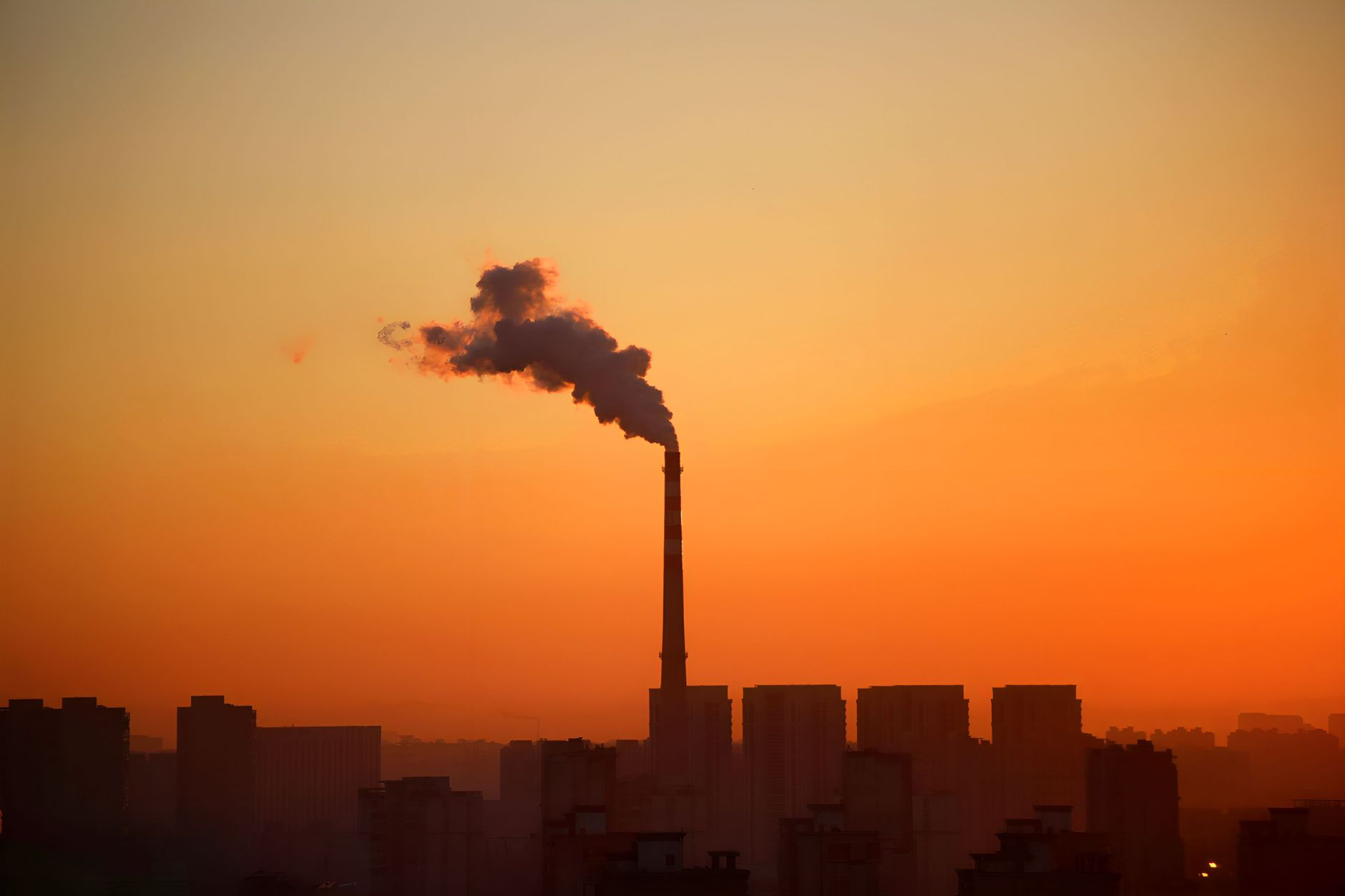
US Power Plants' Tall Smokestacks Linked to Acid Rain, Policy Changes
 India
The Times of India
September 10, 2026 at 15:06
India
The Times of India
September 10, 2026 at 15:06
🌐 This article was automatically translated from Hindi.