Improper food storage can significantly reduce the shelf life of fresh produce. Certain fruits and vegetables release ethylene gas as they ripen, accelerating the spoilage of nearby ethylene-sensitive items. Common examples include storing apples near leafy greens, causing them to wilt and degrade more quickly. Similarly, keeping bananas with other fruits can hasten their overall ripening and eventual decay. Tomatoes, avocados, and peaches are also high ethylene producers. To maximize freshness, it’s recommended to store ethylene-producing and ethylene-sensitive produce separately, ideally in different sections of the refrigerator or in separate containers. Understanding these interactions can minimize food waste and maintain optimal produce quality.
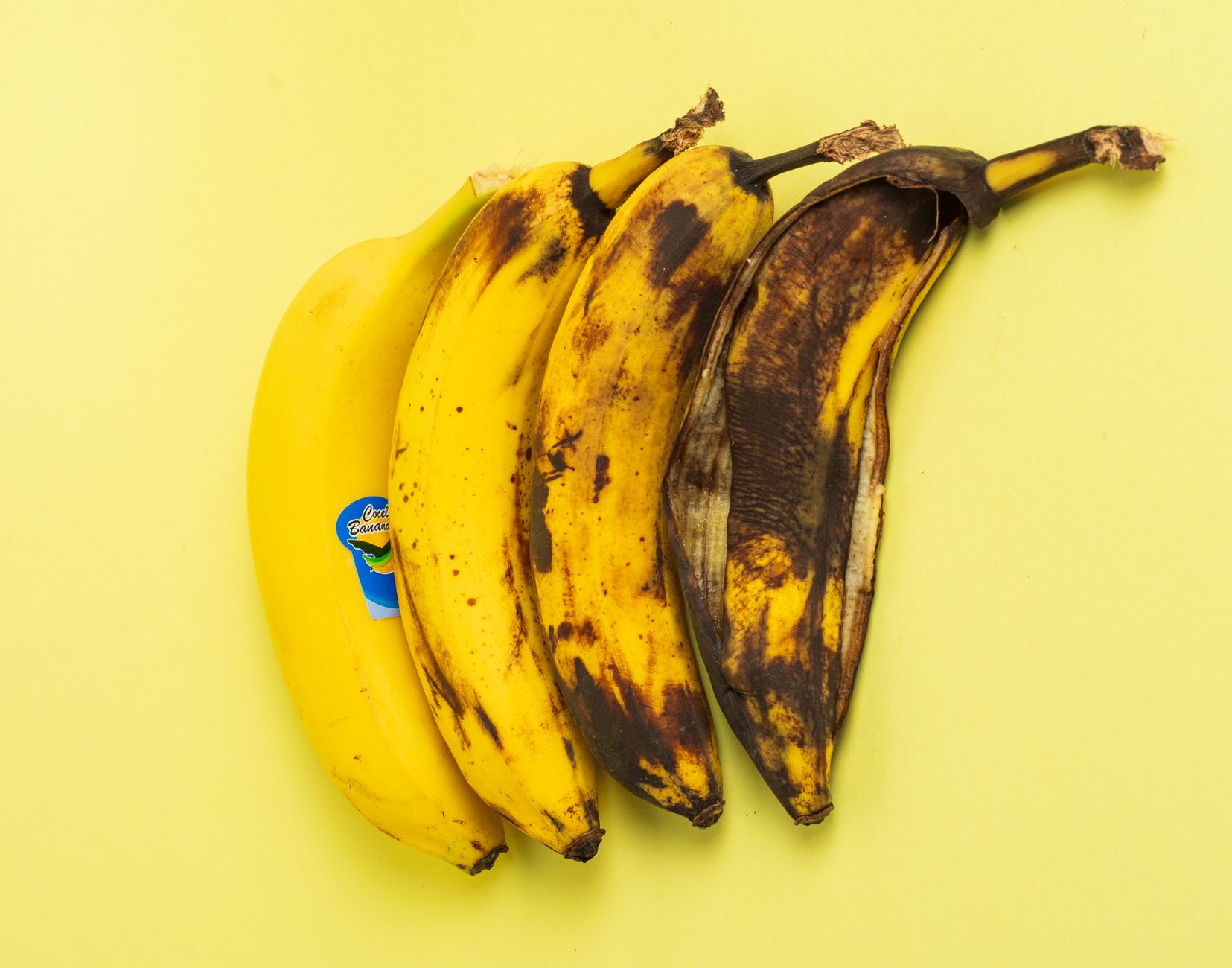
Food Storage Mistakes: Which Items Spoil Others Faster
 Serbia
N1 Info
June 14, 2026 at 22:01
Serbia
N1 Info
June 14, 2026 at 22:01
🌐 This article was automatically translated from the original in Serbian.