Around 610 CE, Muhammad was appointed as the prophet of Islam, initiating the spread of the faith in Mecca despite facing opposition. Early Muslims undertook a significant journey, considered the first pilgrimage (Hijrah), seeking refuge and the opportunity to practice their religion freely. This migration led them to seek assistance from a Christian king, who warmly welcomed the Prophet’s companions. The king’s hospitable reception demonstrated a notable instance of interfaith understanding during a period of persecution. This event highlights the early challenges faced by the nascent Muslim community and their efforts to establish a safe haven. The welcoming gesture by the Christian ruler is considered a pivotal moment in the history of Islam’s early expansion and acceptance. It underscores the potential for peaceful coexistence between different faiths.
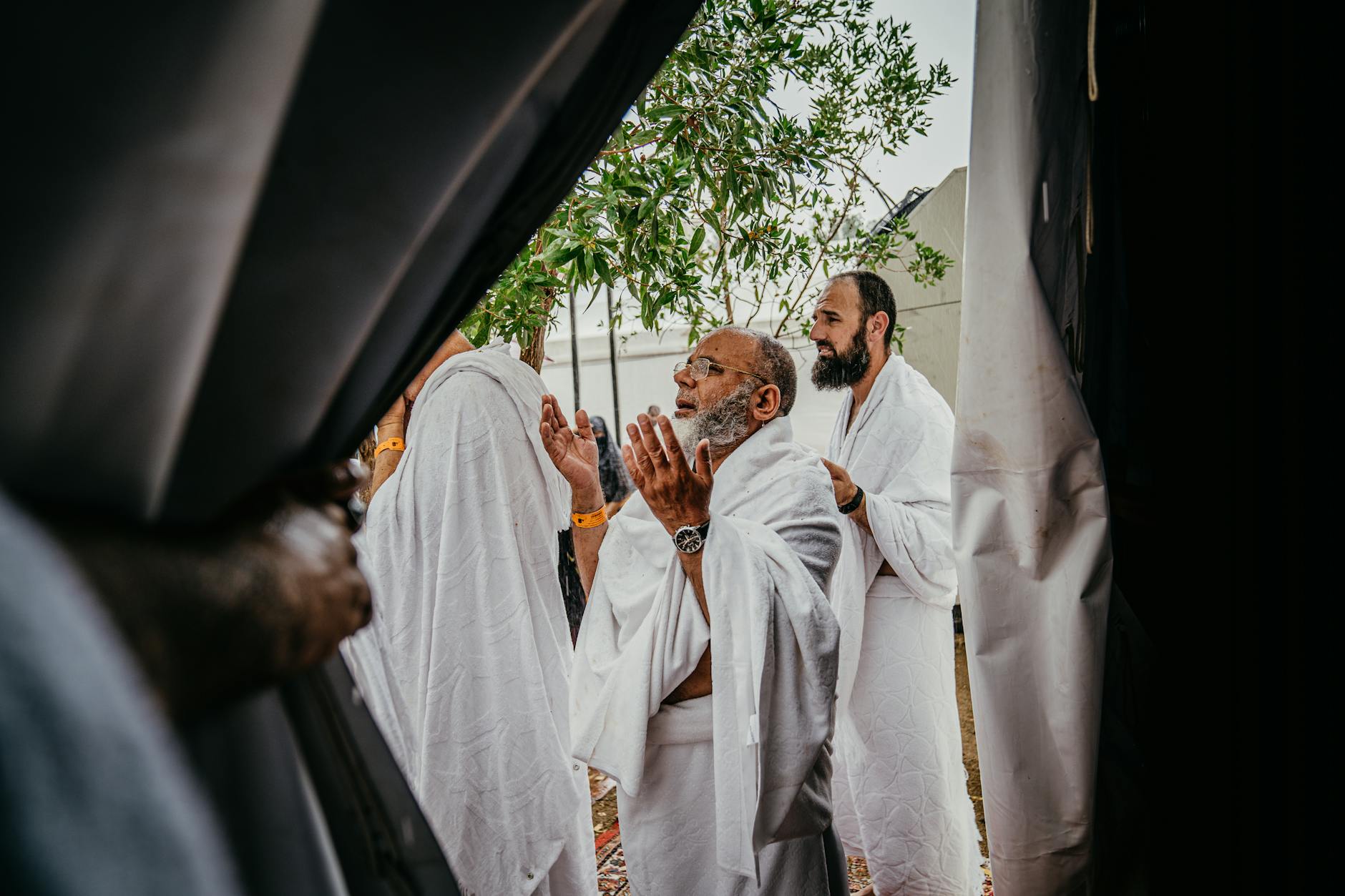
First Pilgrimage: Christian King Welcomes Prophet’s Companions
 Indonesia
Republika
June 17, 2026 at 02:03
Indonesia
Republika
June 17, 2026 at 02:03
🌐 This article was automatically translated from the original in Indonesian.