 English
 Français
 Español
 हिन्दी
 中文
中文The rise of artificial intelligence presents a significant challenge to traditional educational assessment. With AI capable of completing tasks previously assigned to students, educators are grappling with how to accurately gauge genuine learning. This article, published by CIPER Chile, explores strategies for adapting evaluation methods in this new landscape. It suggests a shift away from assessing simple recall or task completion, and towards measuring higher-order thinking skills. The focus needs to be on evaluating students' abilities to analyze, synthesize, and critically engage with information—skills AI currently struggles to replicate. Ultimately, the goal is to safeguard the learning process and ensure that assessment remains a meaningful indicator of understanding, not just the ability to prompt an AI.
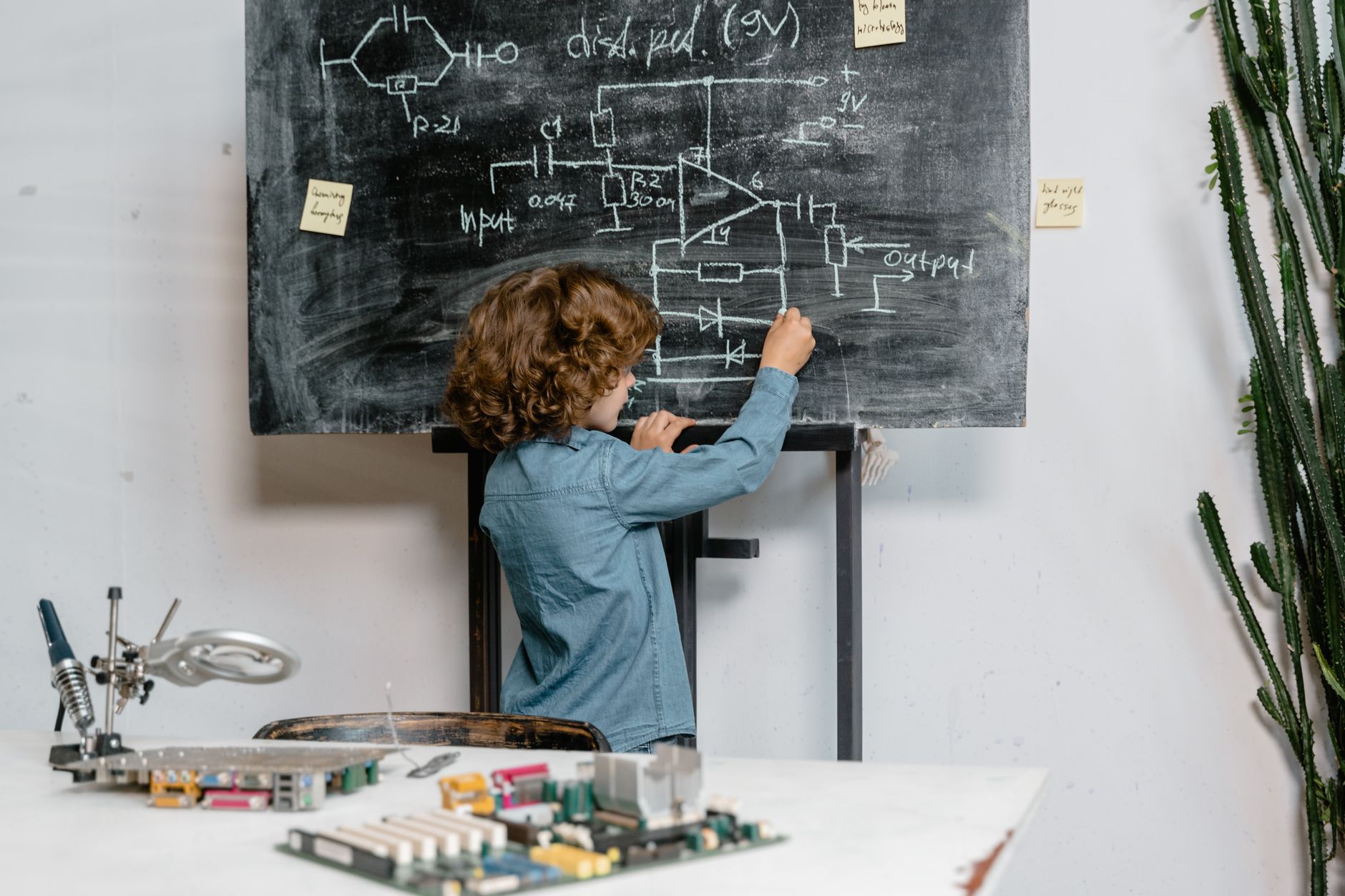
AI & Education: Rethinking Assessment in the Age of Automated Tasks
 Chile
Ciper Chile
August 29, 2026 at 13:38
Chile
Ciper Chile
August 29, 2026 at 13:38
🌐 This article was automatically translated from Spanish.