 English
 Français
 Español
 中文
中文A solar eclipse in India in 1868 proved instrumental in the eventual discovery of helium. Astronomer Pierre Jules Janssen first observed a unique yellow spectral line during the eclipse, but its meaning remained unclear. Norman Lockyer subsequently identified the line as belonging to a new element, which he named helium. For over two decades, helium remained a hypothesized element only found in the sun. It wasn’t until 1895 that William Ramsay isolated helium on Earth from a mineral sample, validating Janssen's earlier observations of solar prominences and pioneering spectroscopic methods. This discovery highlights the importance of observing celestial events for terrestrial scientific progress.
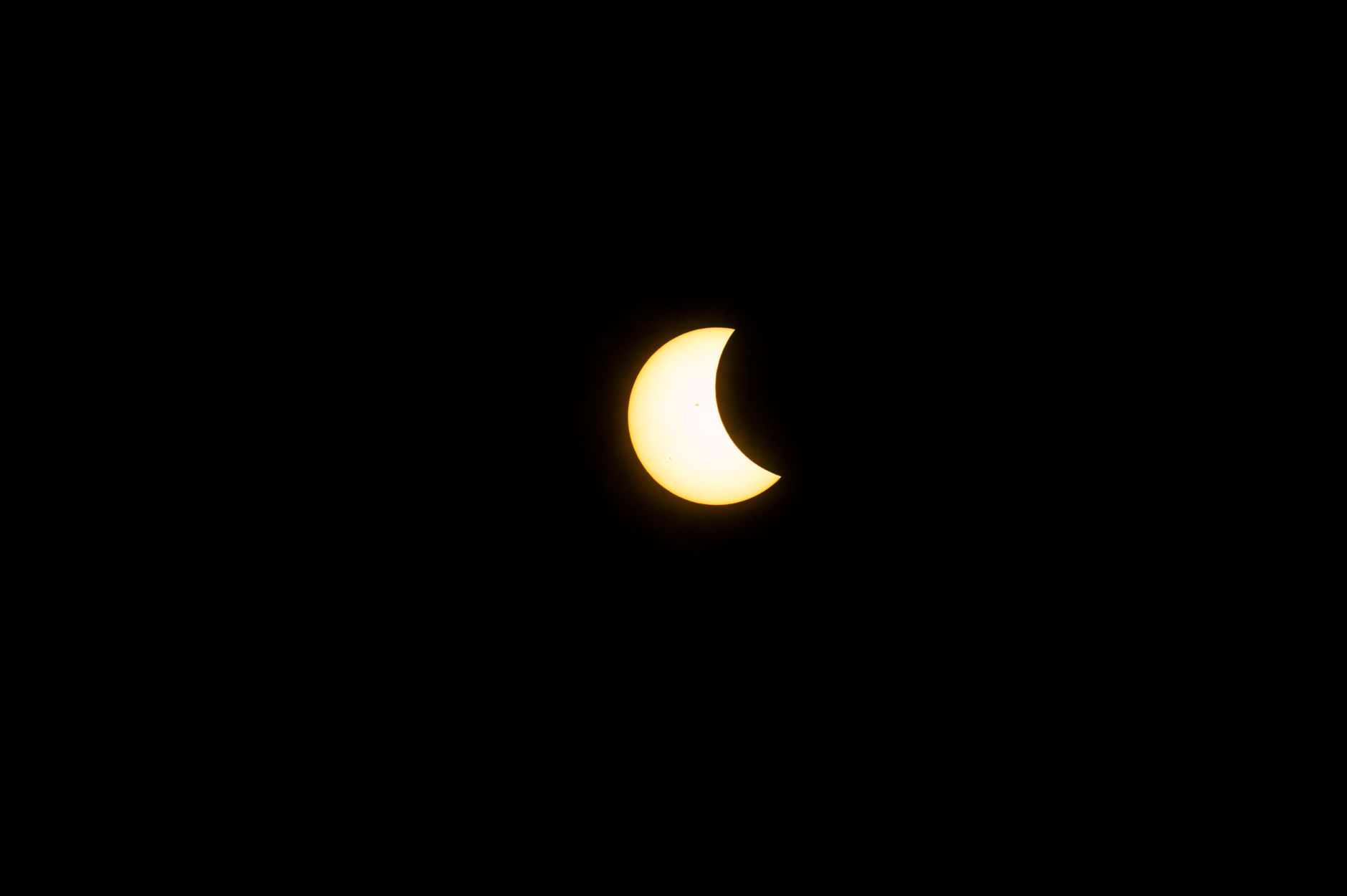
1868 Eclipse in India Led to Discovery of Helium on Earth
 India
The Times of India
August 11, 2026 at 07:46
India
The Times of India
August 11, 2026 at 07:46
🌐 This article was automatically translated from Hindi.