 English
 Français
 Español
 हिन्दी
 中文
Three years after the October 7th attacks, many residents of the Gaza border region report that the horrors they experienced, including the loss of homes, neighbors, and family members, have not fundamentally altered their political allegiances. While the Hamas onslaught profoundly impacted their worldview and instilled new fears and distrust, this shift isn’t necessarily translating into a change in voting patterns. Many survivors acknowledge a changed perspective on security and the conflict but remain hesitant to abandon their long-held political beliefs. This surprising resilience in political affiliation suggests that trauma alone isn't sufficient to dictate electoral outcomes. The study highlights the complex interplay between personal experience and pre-existing political ideologies within communities deeply affected by conflict. It raises questions about the enduring nature of political identity even in the face of extreme adversity in Israel. These residents are grappling with immense personal loss while simultaneously navigating a deeply polarized political landscape in Israel.
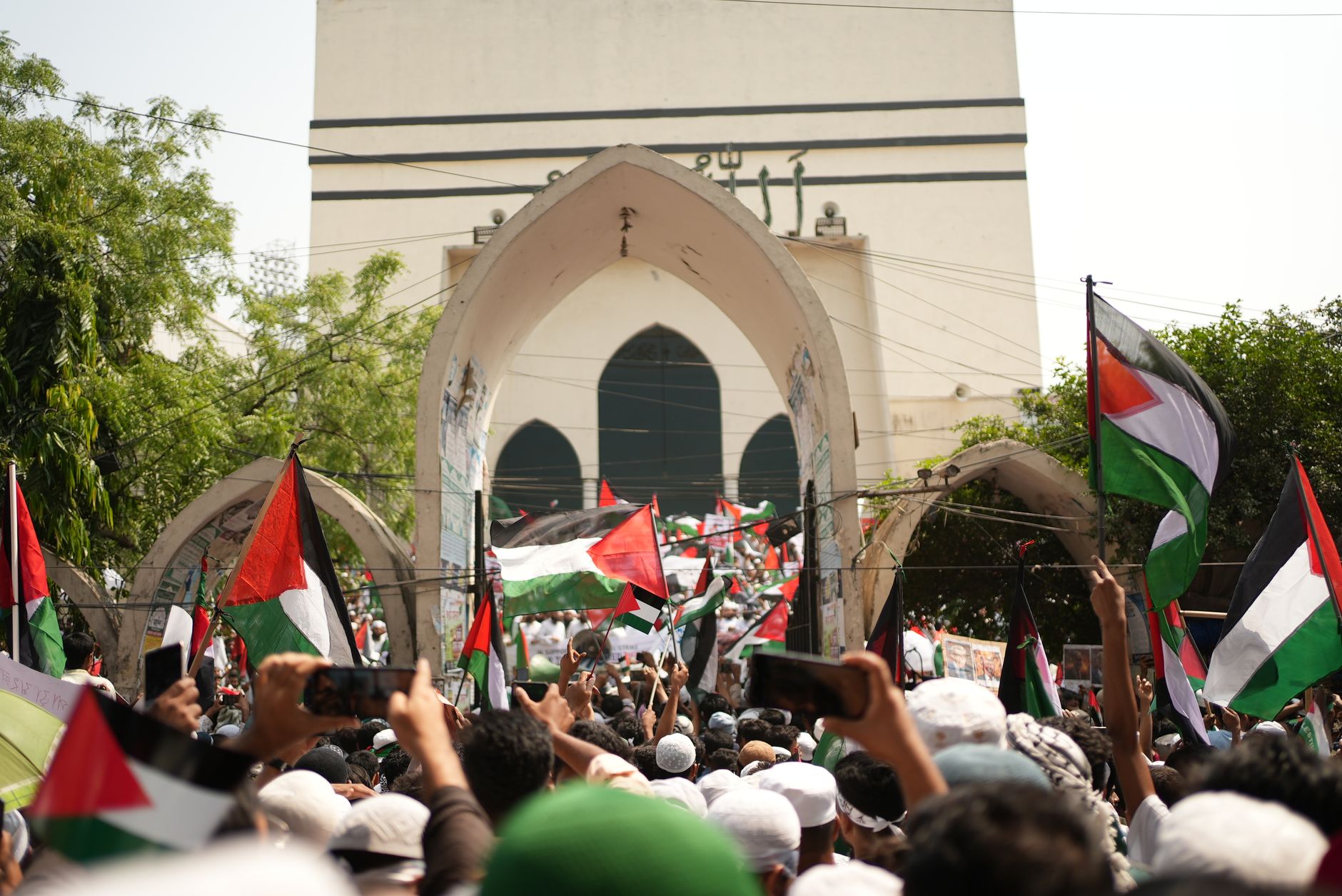
Gaza Border Residents’ Political Views Unchanged Despite Oct. 7 Massacre
 Israel
Times of Israel
October 20, 2026 at 07:49
🌐 This article was automatically translated from Hebrew.