 English
 Français
 Español
 हिन्दी
 中文
中文In Dauernheim, Hesse, the NSDAP achieved an astonishing 91 percent of the vote in the Reichstag elections of July 1932. Amateur historian Michael Strecker sought to understand the reasons behind this overwhelming support in the rural community. His research aims to uncover the factors contributing to the Nazi party’s success in this specific location. The case of Dauernheim presents a striking example of the party’s ability to gain traction even in areas not traditionally associated with far-right ideologies. Strecker’s investigation promises insights into the complex social and political dynamics that enabled the rise of the Nazi party in Germany. The study focuses on understanding how Hitler’s influence permeated even small villages like Dauernheim. This research is expected to contribute to a more nuanced understanding of the Nazi era and its impact on local communities.
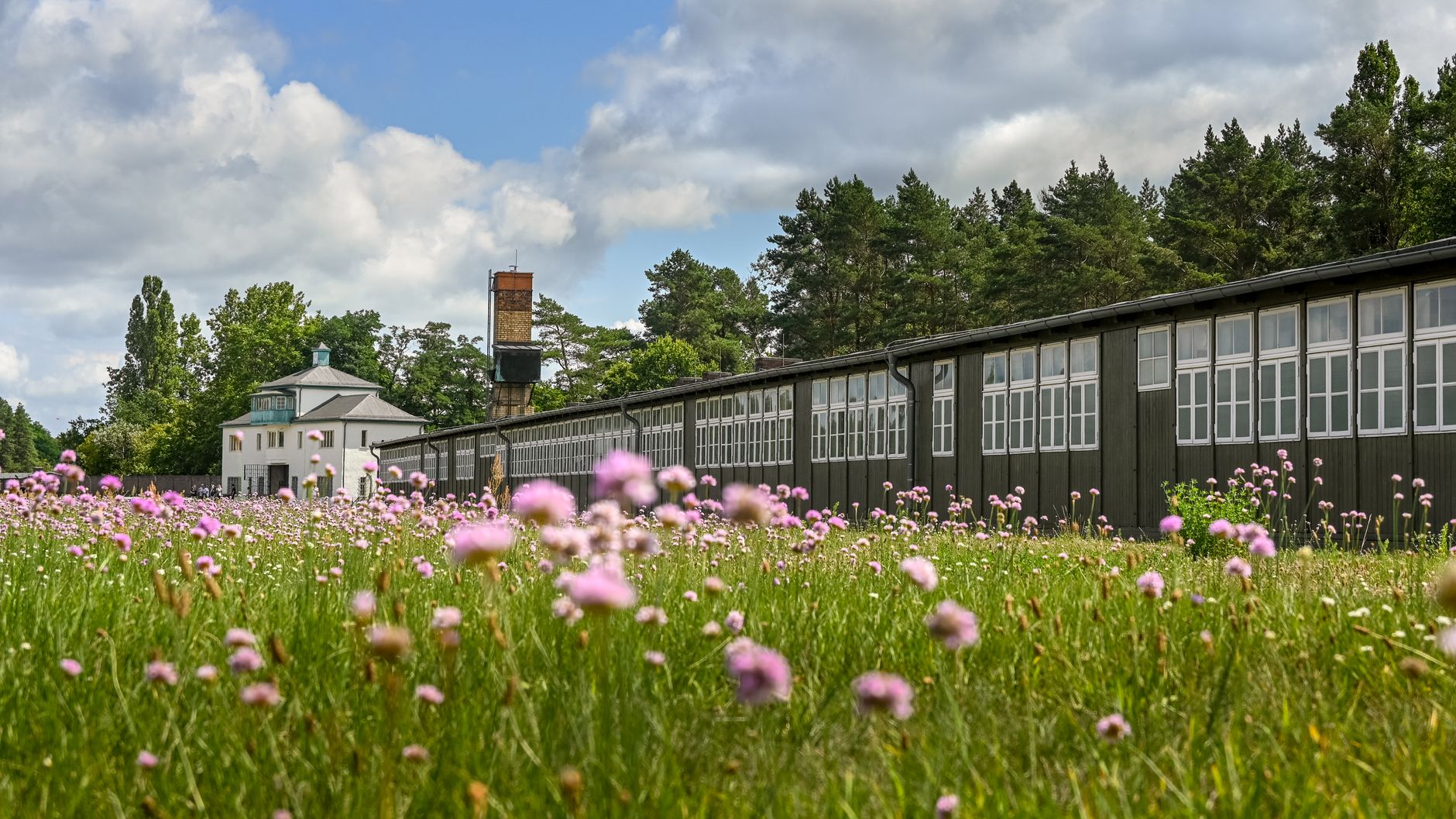
NSDAP’s Rise in Rural Germany: Hitler’s Shadow Over Dauernheim
 Germany
Der Spiegel
October 15, 2026 at 07:54
Germany
Der Spiegel
October 15, 2026 at 07:54
🌐 This article was automatically translated from German.