Brazilian President Luiz Inácio Lula da Silva has defended national sovereignty and criticized protectionist trade policies, implicitly referencing former President Donald Trump’s potential return to power and its implications for global trade. This stance follows the recent imposition of new US tariffs on Brazilian goods. Simultaneously, the United States has designated both the Chinese Communist Party (PCCh) and the Red Command – a Brazilian criminal organization – as terrorist groups. These actions are occurring as discussions surrounding the G7 summit take place. Lula’s comments suggest a growing divergence in economic policy between Brazil and the US, particularly regarding trade barriers. The dual developments of tariffs and terrorism designations add complexity to the international landscape and potential diplomatic challenges for Brazil. The situation highlights increasing geopolitical tensions and differing approaches to international security and economic relations.
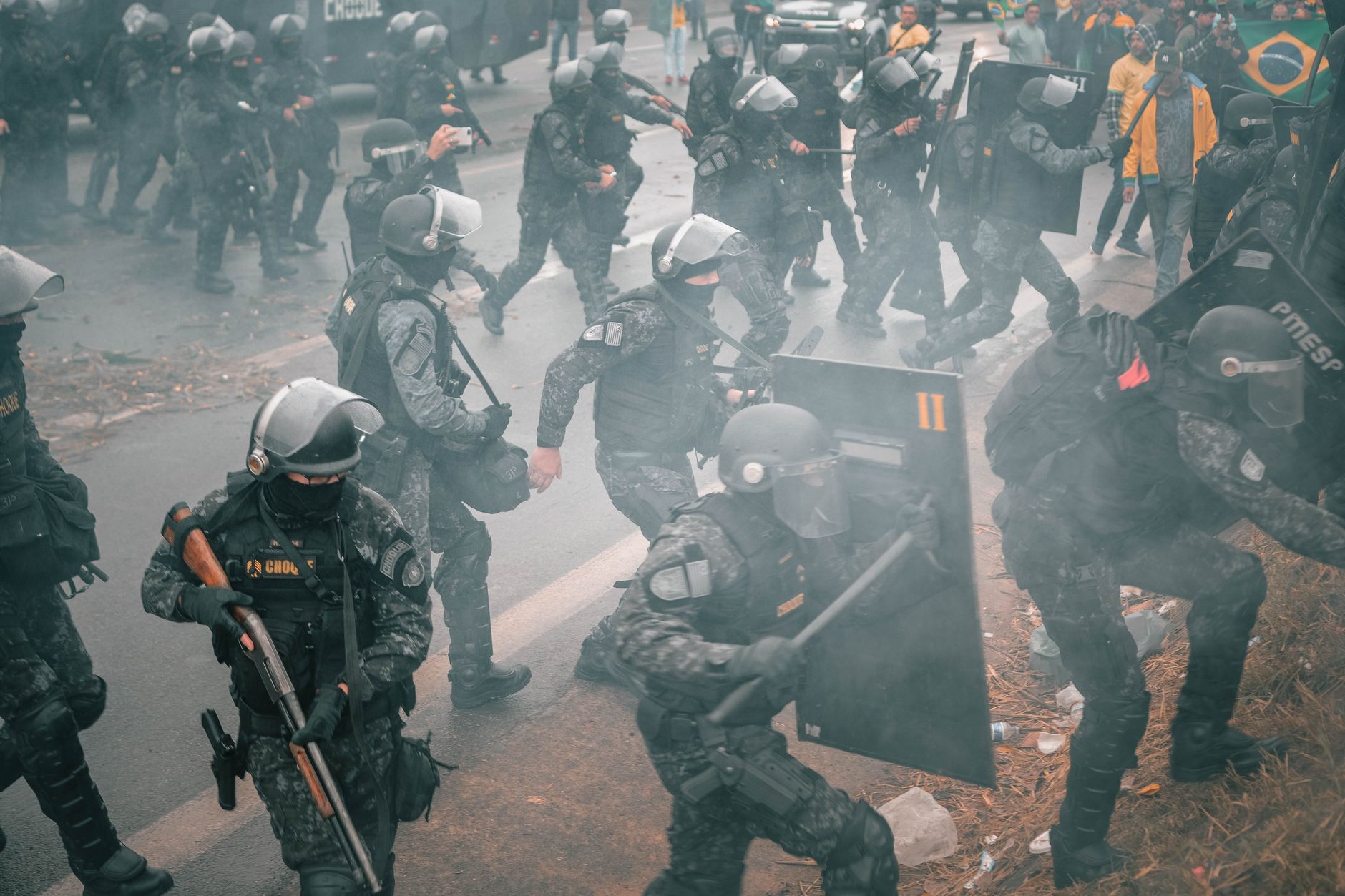
Lula Challenges US Trade Policies Amidst New Tariffs & Terrorism Designations
 Colombia
La Republica
June 17, 2026 at 14:27
Colombia
La Republica
June 17, 2026 at 14:27
🌐 This article was automatically translated from the original in Spanish.