István Jávor’s socio-photographic work is revealing a poignant and largely forgotten world. The photographs depict covered beds, buses, market stalls, and courtyards, offering a glimpse into a past Romania. Images include horse-drawn carts and concrete yards, suggesting a transition in lifestyle. Jávor’s work evokes a sense of familiarity and loss, capturing a disappearing way of life. The photographs are described as painful yet recognizable, hinting at a shared cultural heritage. The collection offers a visual exploration of Romania’s recent history and its evolving landscape. György Dragomán describes the work as transforming “black squares into snowfields,” suggesting a hopeful reimagining of the past.
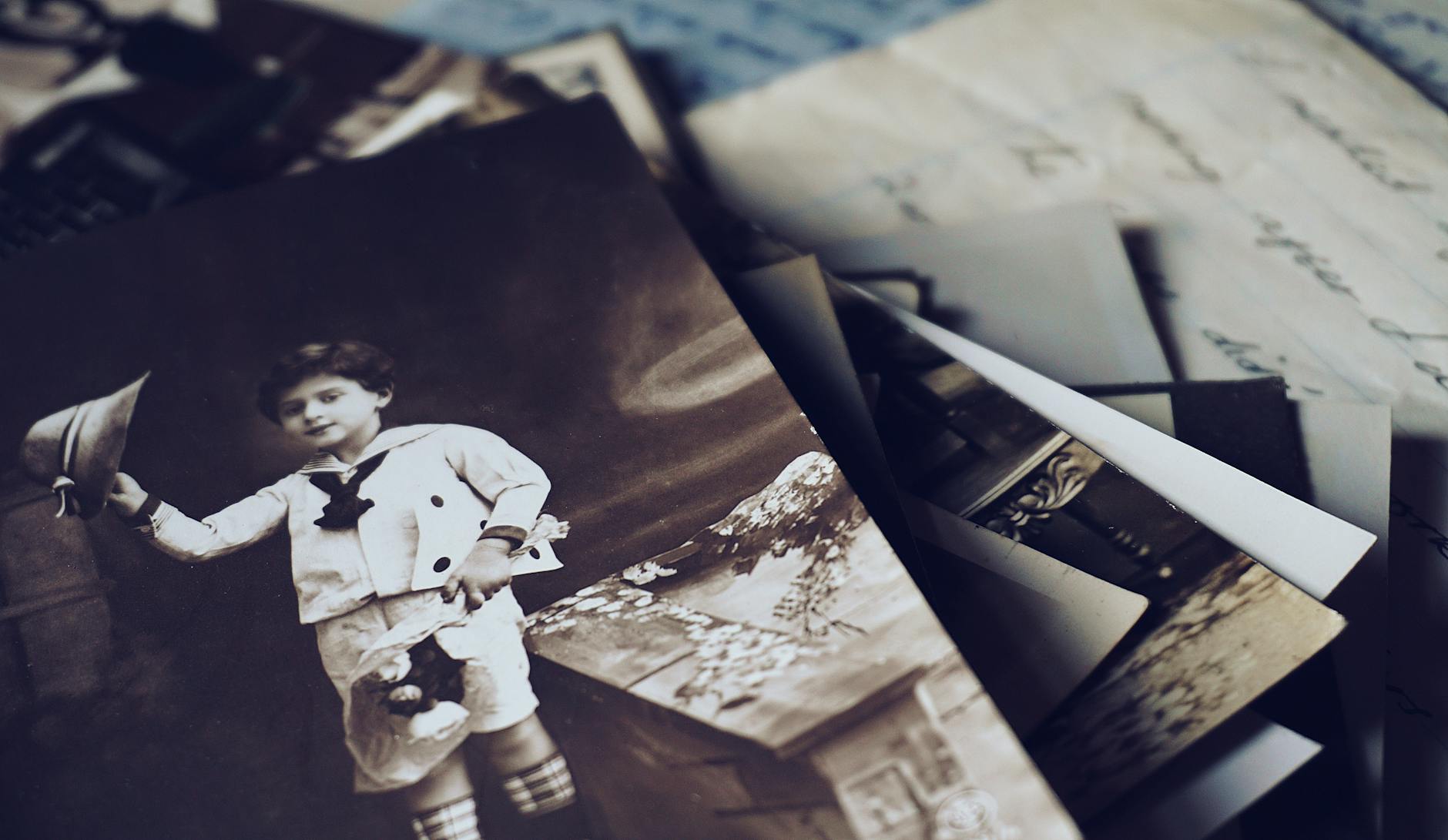
Lost Worlds Unearthed: Photographer Reveals Haunting Images of Romania’s Past
 Hungary
Telex
June 14, 2026 at 12:51
Hungary
Telex
June 14, 2026 at 12:51
🌐 This article was automatically translated from the original in Hungarian.