Indonesia is grappling with significant educational inequalities affecting its “3T” regions – areas characterized by their remoteness, underdeveloped infrastructure, and economic challenges. These regions experience stark differences in educational facilities compared to urban areas, hindering access to quality education for students. The disparities encompass infrastructure, teacher availability, and learning resources. This imbalance perpetuates cycles of poverty and limits opportunities for residents of these underserved areas. Authorities acknowledge the issue and are working to address the gaps, but progress remains slow due to logistical and financial constraints. Addressing these inequalities is crucial for national development and ensuring equitable access to education for all Indonesian citizens. Further investigation is needed to fully understand the scope and impact of these disparities.
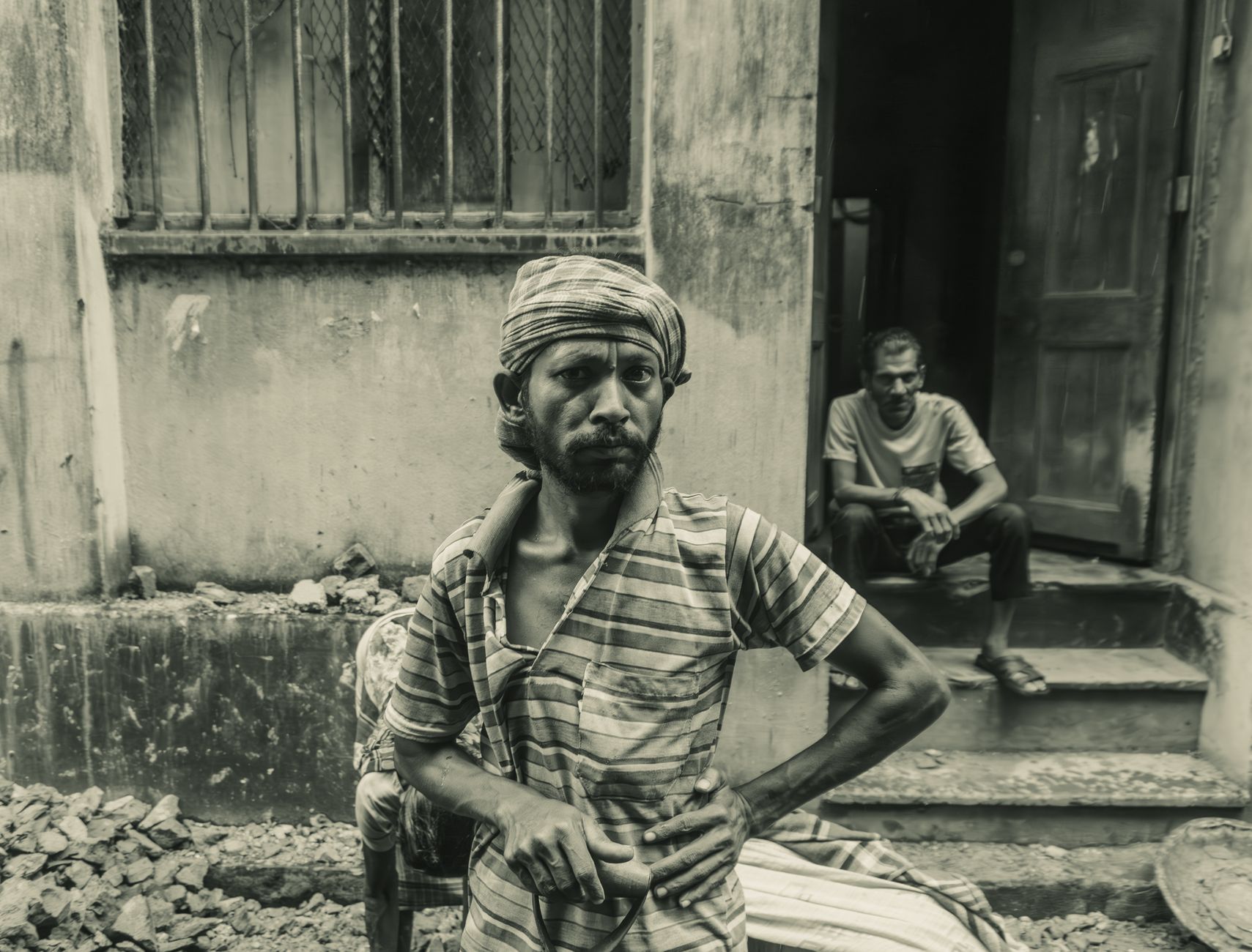
Indonesia’s Remote Regions Face Severe Educational Disparities
 Indonesia
Republika
June 25, 2026 at 05:03
Indonesia
Republika
June 25, 2026 at 05:03
🌐 This article was automatically translated from the original in Indonesian.