A new European Union asylum agreement is prompting swift responses from Balkan states – Bulgaria, Croatia, Greece, and Romania – as they work to implement revised migration policies. The pact’s enactment coincides with increasing pressure from right-wing political factions advocating for stricter border controls and reduced immigration. Simultaneously, human rights organizations are voicing concerns that the new rules could jeopardize the rights of asylum seekers. These nations are now tasked with balancing EU requirements with domestic political pressures and humanitarian obligations. Implementation efforts are focused on adapting national systems to the new regulations regarding asylum processing and border management. The situation is particularly sensitive given existing migration routes through the region and ongoing debates about burden-sharing within the EU. The effectiveness and human impact of the new pact remain to be seen as these countries navigate its complexities.
EU Migration Pact Spurs Urgent Action in Balkan Nations
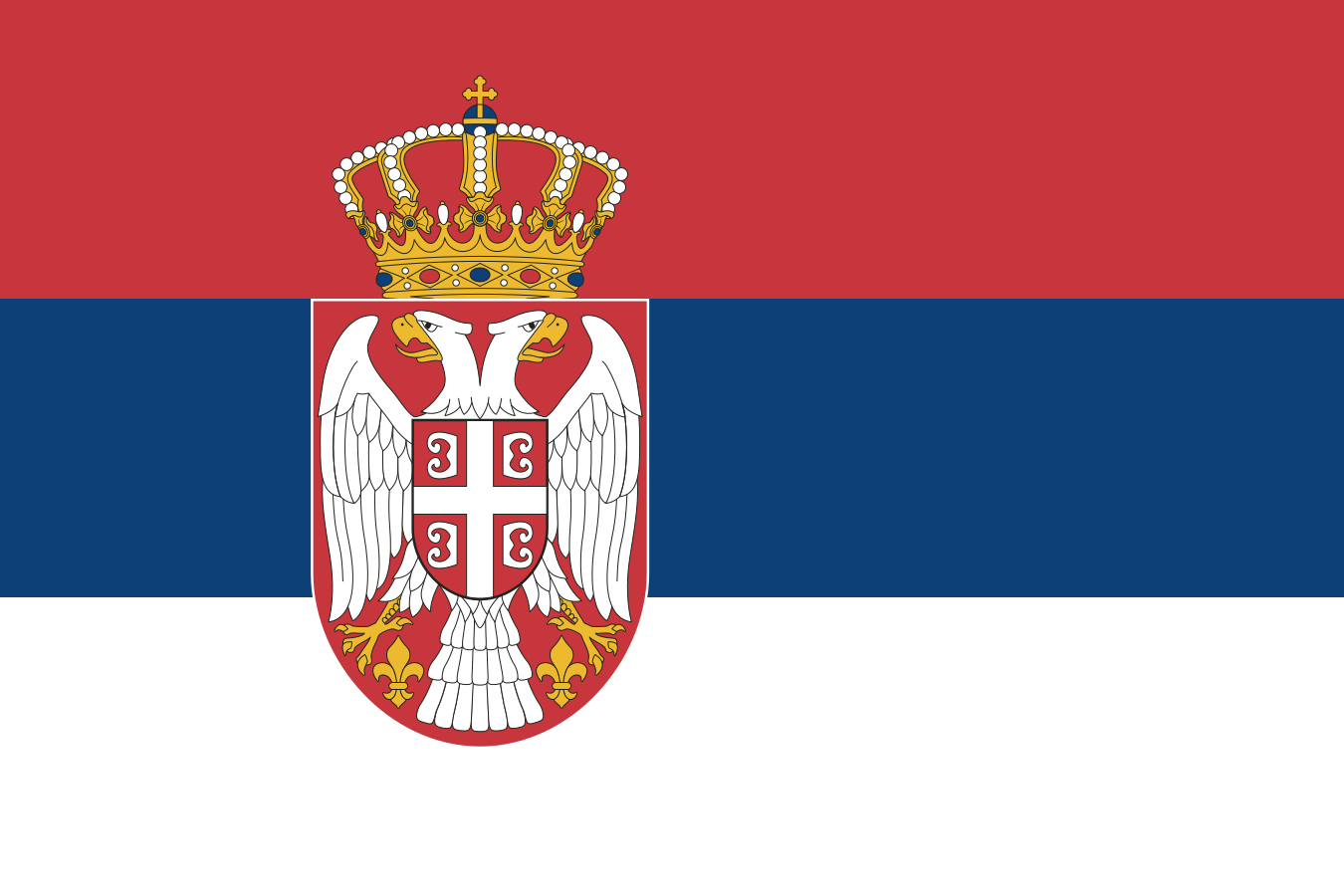 Serbia
Balkan Insight
June 12, 2026 at 09:20
Serbia
Balkan Insight
June 12, 2026 at 09:20
🌐 This article was automatically translated from the original in English.