Archaeologists have discovered a previously unknown Neolithic monument just a few miles from Stonehenge, suggesting it served as a precursor to the iconic stone circle. The site, dating back 5,000 years, features a circular arrangement resembling an early stage of Stonehenge’s construction. Researchers believe the discovery indicates that ritual activity in the area began much earlier than previously thought, and that the landscape held significance for Neolithic people. The findings were released in anticipation of the summer solstice, a time when thousands gather at Stonehenge. This “prototype” Stonehenge provides new insights into the development and purpose of these ancient sites. Further investigation is planned to fully understand the site’s role within the broader Neolithic landscape and its connection to Stonehenge itself. The discovery highlights the rich archaeological history of the Salisbury Plain.
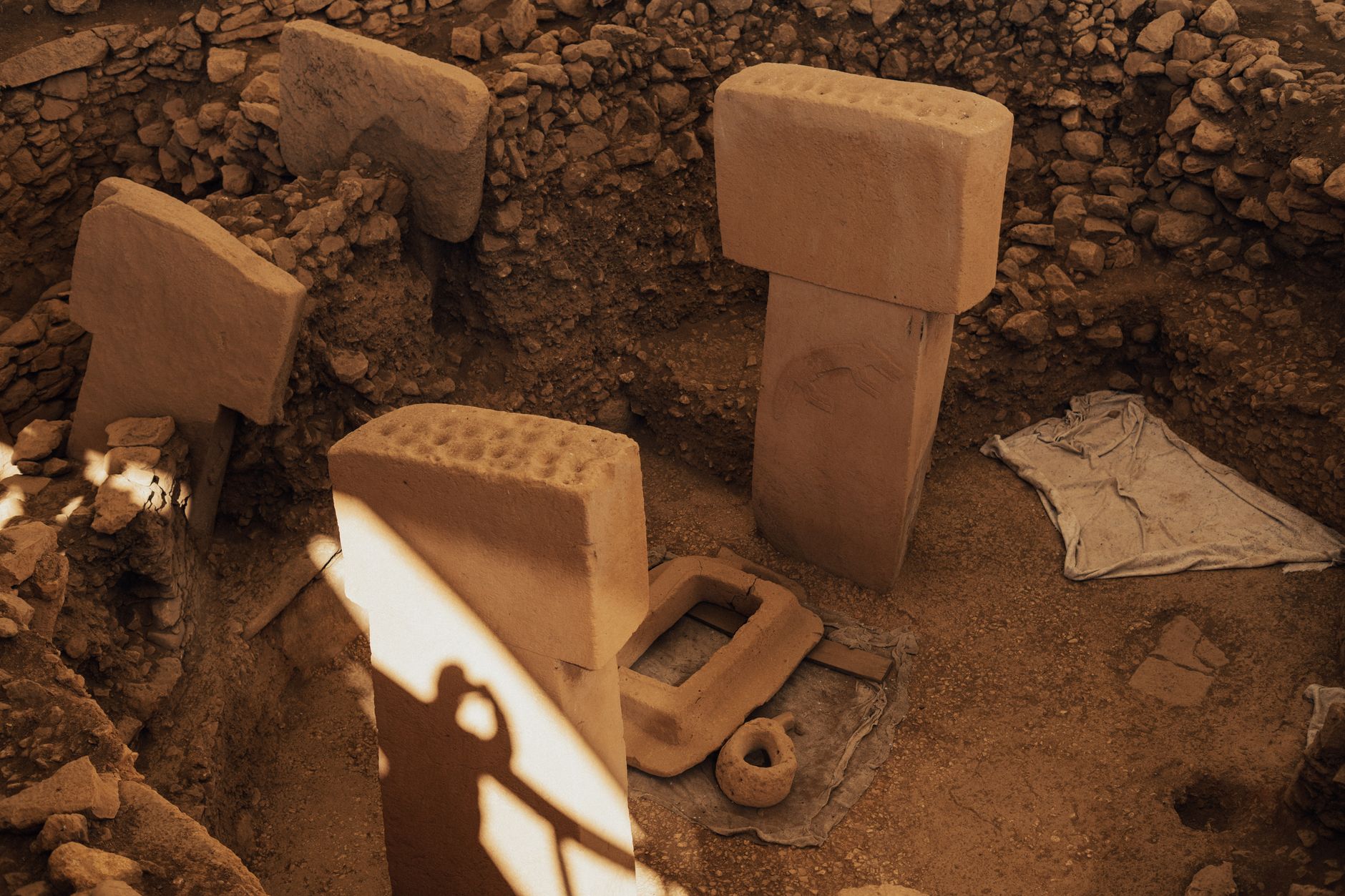
Earlier Stonehenge Precursor Discovered Near Ancient Monument
 Israel
Times of Israel
June 18, 2026 at 03:52
Israel
Times of Israel
June 18, 2026 at 03:52
🌐 This article was automatically translated from the original in Hebrew.