Costa Rica, once a global leader in conservation efforts, has significantly altered its environmental policies over the past decade. Government funding for protected areas has been reduced, leading to concerns about their long-term viability. Simultaneously, environmental decision-making power has become increasingly centralized within the state, diminishing local control. This shift has coincided with a relaxation of key environmental regulations, raising alarms among conservationists. Critics argue these changes prioritize economic development over ecological preservation. The move represents a departure from Costa Rica’s historically strong commitment to biodiversity and sustainable practices. These policy changes are prompting debate about the future of conservation in the country and its international reputation.
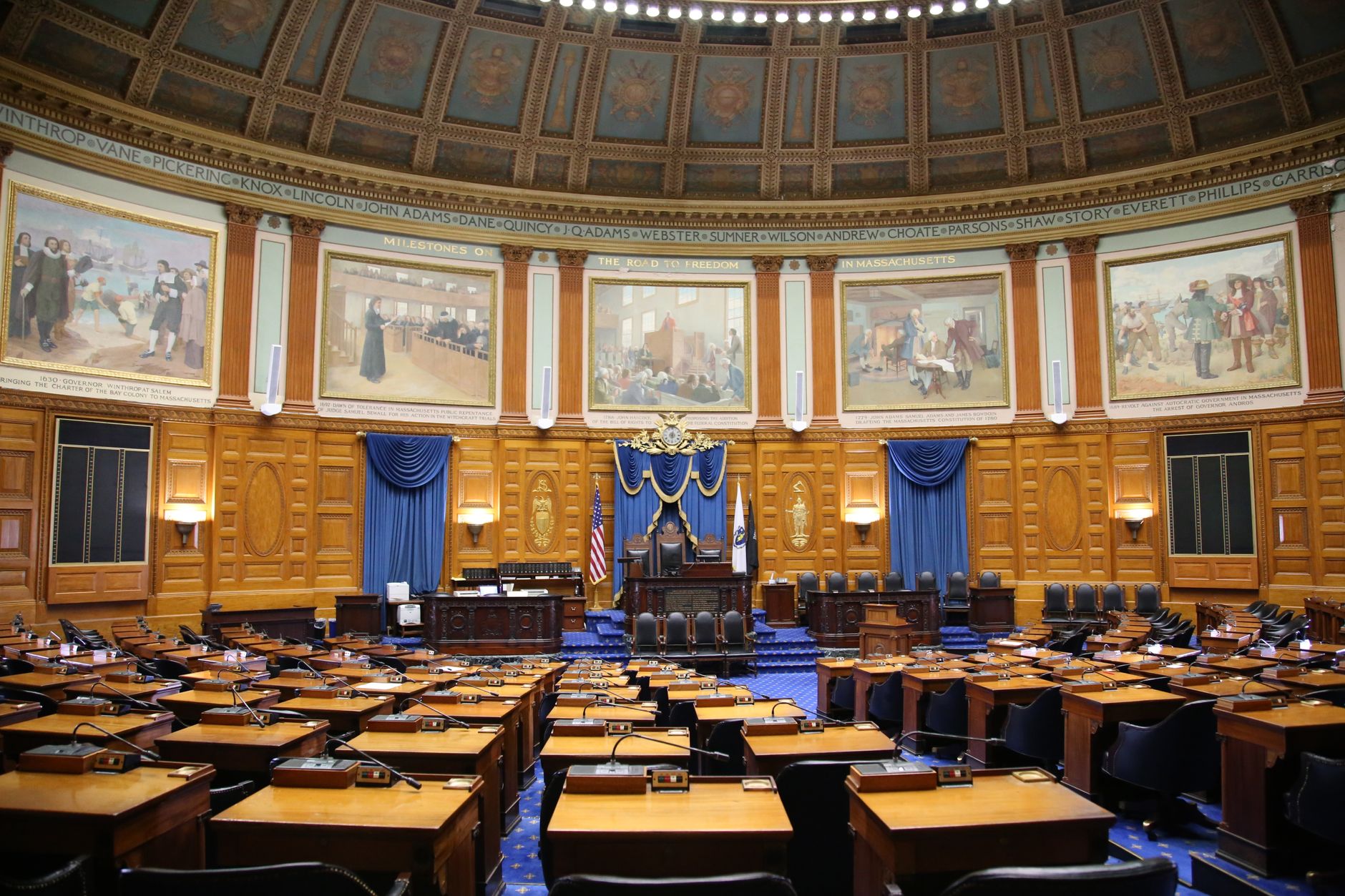
Costa Rica Shifts Conservation Focus, Weakening Environmental Protections
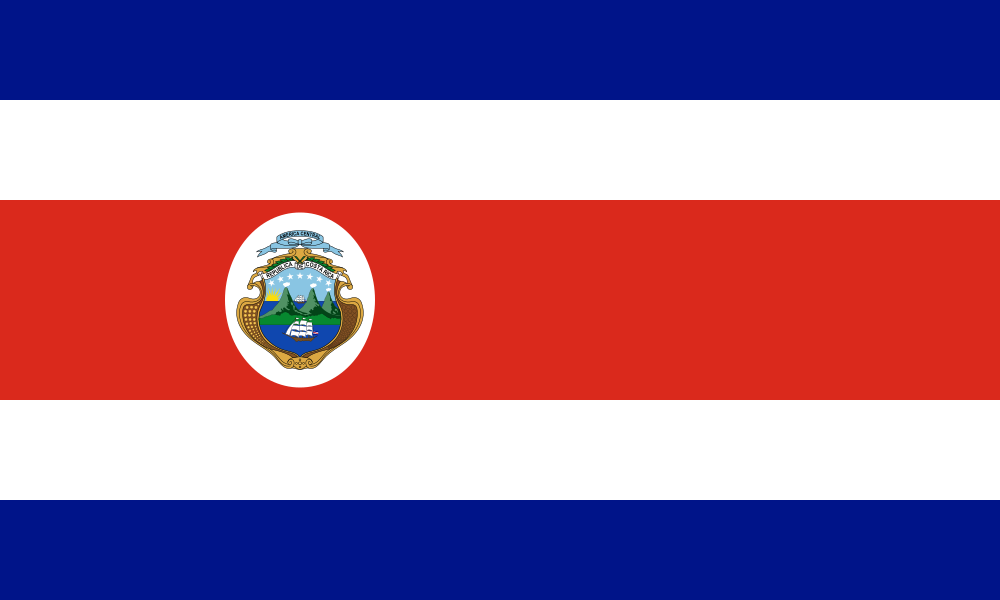 Costa Rica
La Nación
June 19, 2026 at 11:55
Costa Rica
La Nación
June 19, 2026 at 11:55
🌐 This article was automatically translated from the original in Spanish.