 English
 Français
 Español
 हिन्दी
 中文
中文China has inaugurated a new Arctic shipping route, significantly reducing transit times from its ports to Europe. The Dubai Tower recently completed the first regular voyage from China to Rotterdam via this northern passage, bypassing the Suez Canal. This development is directly linked to the accelerating melt of Arctic ice due to climate change, opening previously impassable waters. The new route, dubbed the “Ice Silk Road,” presents economic opportunities but also raises geopolitical concerns as China expands its presence in the Arctic. The shortened route, now taking twenty days instead of fifty, gives China a commercial advantage. This shift has significant environmental implications, exacerbating the effects of a warming Arctic, alongside broader economic and political ramifications as nations vie for influence in the region. The opening also highlights the complex interplay between climate change, trade, and international power dynamics.
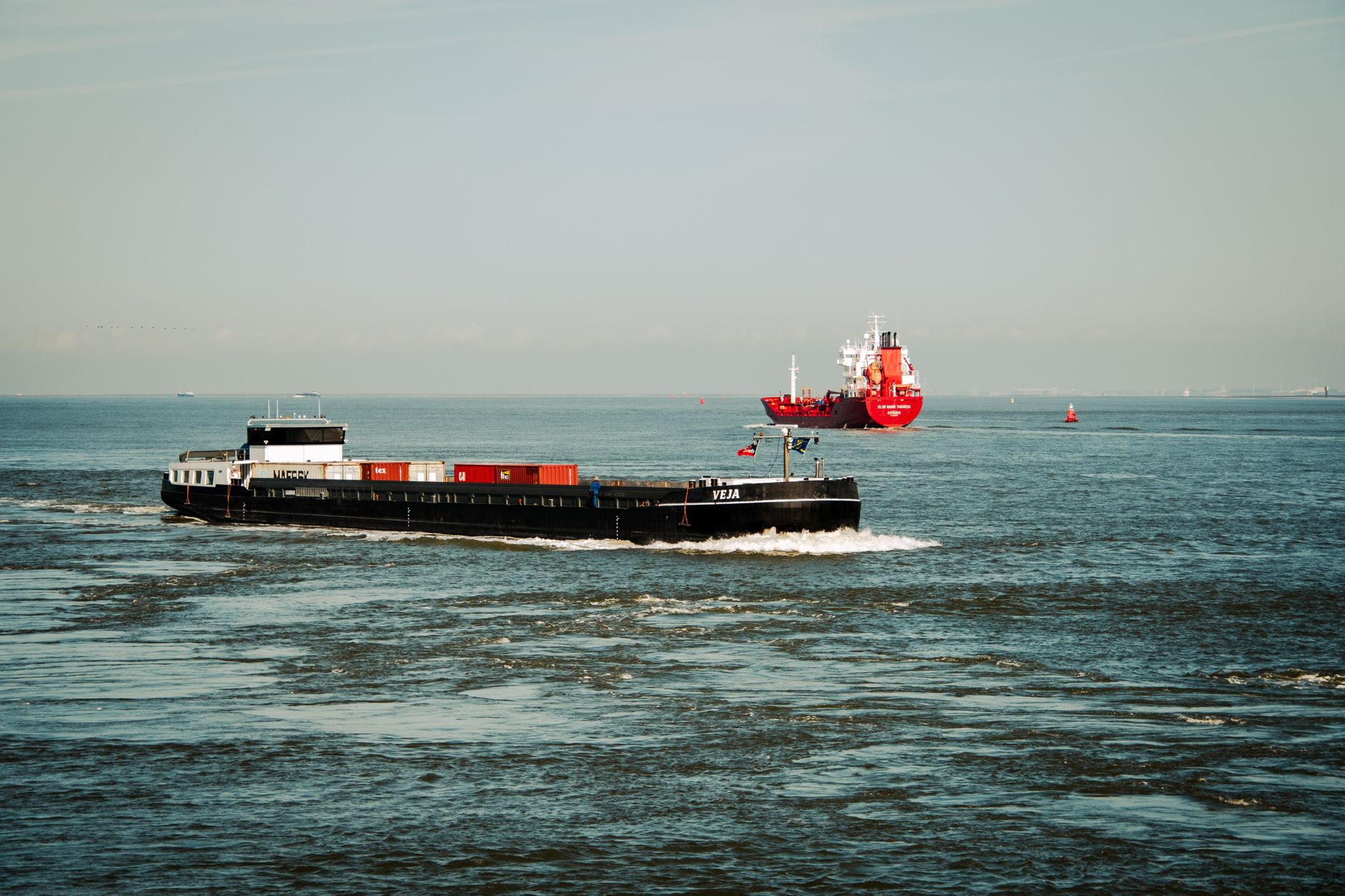
China Opens "Ice Silk Road" as Arctic Melts, Shortening Trade Routes
 Italy
TGCom24
August 24, 2026 at 11:27
Italy
TGCom24
August 24, 2026 at 11:27
🌐 This article was automatically translated from Italian.