 English
 Français
 Español
 हिन्दी
 中文
Millions of bogong moths are currently undertaking their annual southward migration to the Australian Alps in preparation for the summer months. This large-scale movement is causing unusual readings on weather radars, which are interpreting the moths as precipitation. The phenomenon is particularly noticeable at nightfall, when moth activity significantly increases, creating a burst of radar activity. Experts confirm the radar anomalies are caused by the sheer number of insects, not actual rainfall. This annual migration is a natural event, but its impact on weather monitoring systems highlights the scale of the bogong moth population. The Australian Bureau of Meteorology is aware of the issue and takes the moth migration into consideration when analyzing radar data. This spectacle underscores the unique ecological events occurring within the Australian Alps.
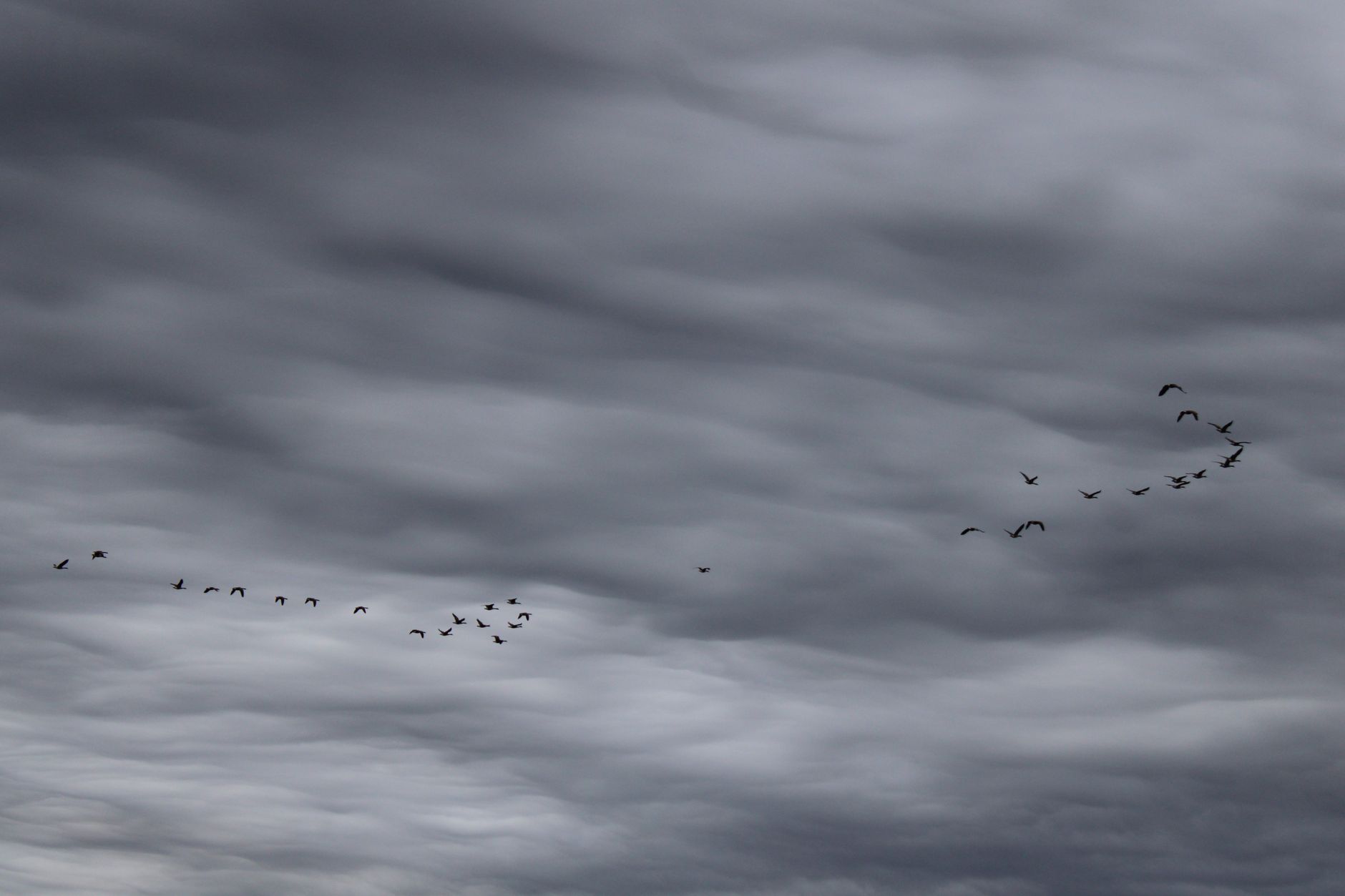
Bogong Moth Migration Disrupts Weather Radar in Australian Alps
 Australia
ABC News Australia
October 20, 2026 at 05:30
🌐 This article was automatically translated from English.