New research utilizing data from the James Webb Space Telescope has revealed the presence of complex carbon molecules in the atmospheres of several exoplanets. These molecules are strikingly similar to those found in soot and exhaust from diesel engines on Earth. The findings suggest these exoplanets possess atmospheric chemistry previously unseen, indicating potentially unique formation and evolution processes. Scientists analyzed the planets’ light signatures, identifying the presence of polycyclic aromatic hydrocarbons (PAHs), a key component of combustion pollution. While the source of these compounds isn’t definitively known, the discovery raises questions about the potential for similar chemical processes occurring across the universe. The study highlights the Webb telescope’s capability to analyze exoplanet atmospheres in unprecedented detail, opening new avenues for understanding planetary habitability and composition. Further research will focus on identifying the origins of these pollutants and their impact on planetary environments.
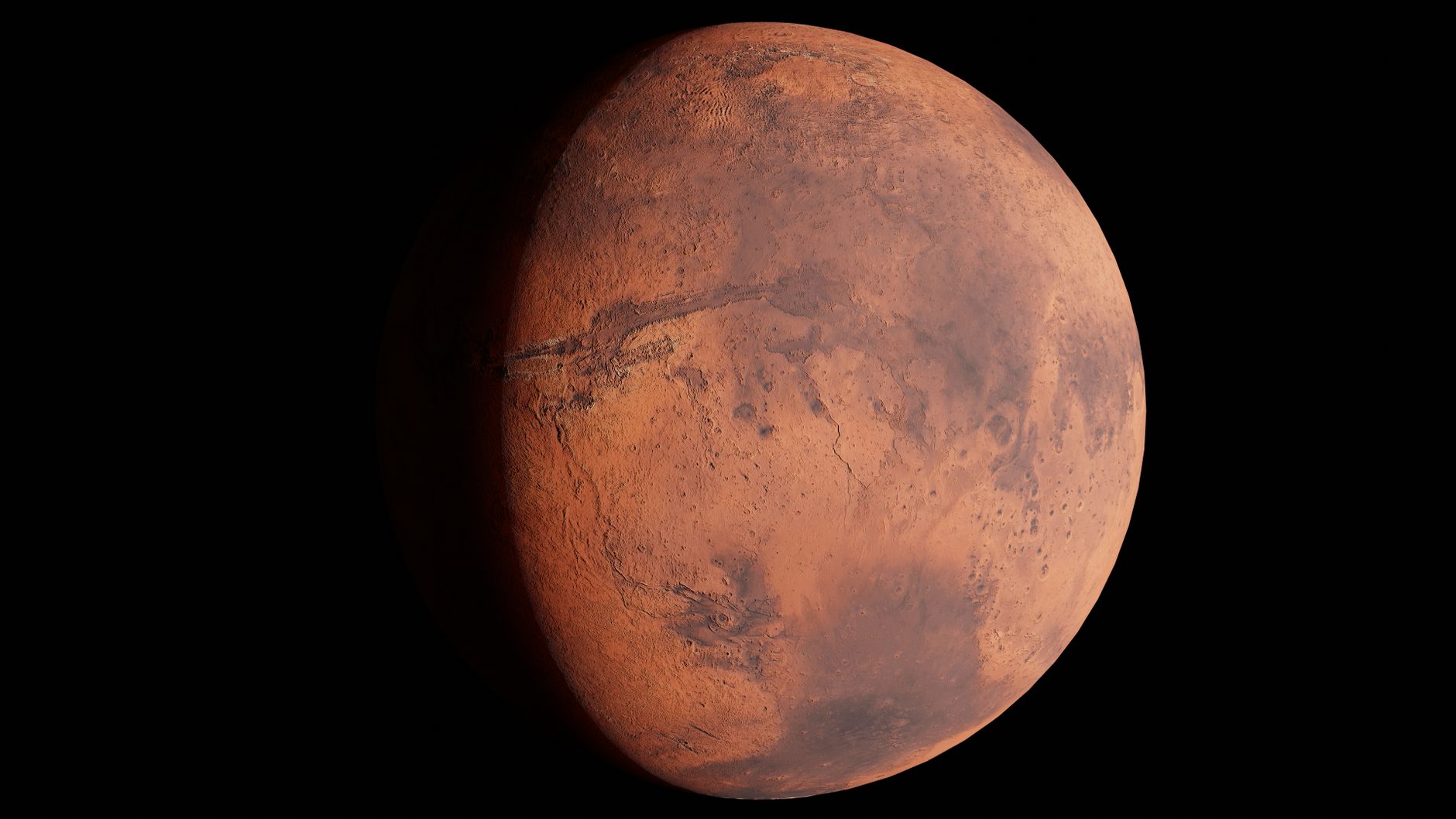
Webb Telescope Detects Diesel-Like Pollution on Distant Exoplanets
 Costa Rica
La Nación
June 17, 2026 at 22:38
Costa Rica
La Nación
June 17, 2026 at 22:38
🌐 This article was automatically translated from the original in Spanish.