 English
 Français
 Español
 中文
中文In 1938, a radio adaptation of H.G. Wells’ "The War of the Worlds" famously led many Americans to believe Earth was under attack by Martians. The broadcast, presented as a realistic news bulletin, detailed an invasion, causing widespread confusion and fear. This event demonstrated the immense power of radio as a trusted news source during that era, with listeners readily accepting the fictional account as fact. While initial reports described mass hysteria, historians now debate the actual scope of the panic. Nevertheless, the “War of the Worlds” broadcast serves as a pivotal case study in media's capacity to shape public opinion and the importance of critical consumption of information. It underscored how easily audiences could be swayed by compelling storytelling presented as reality, becoming a lasting example of media’s influence.
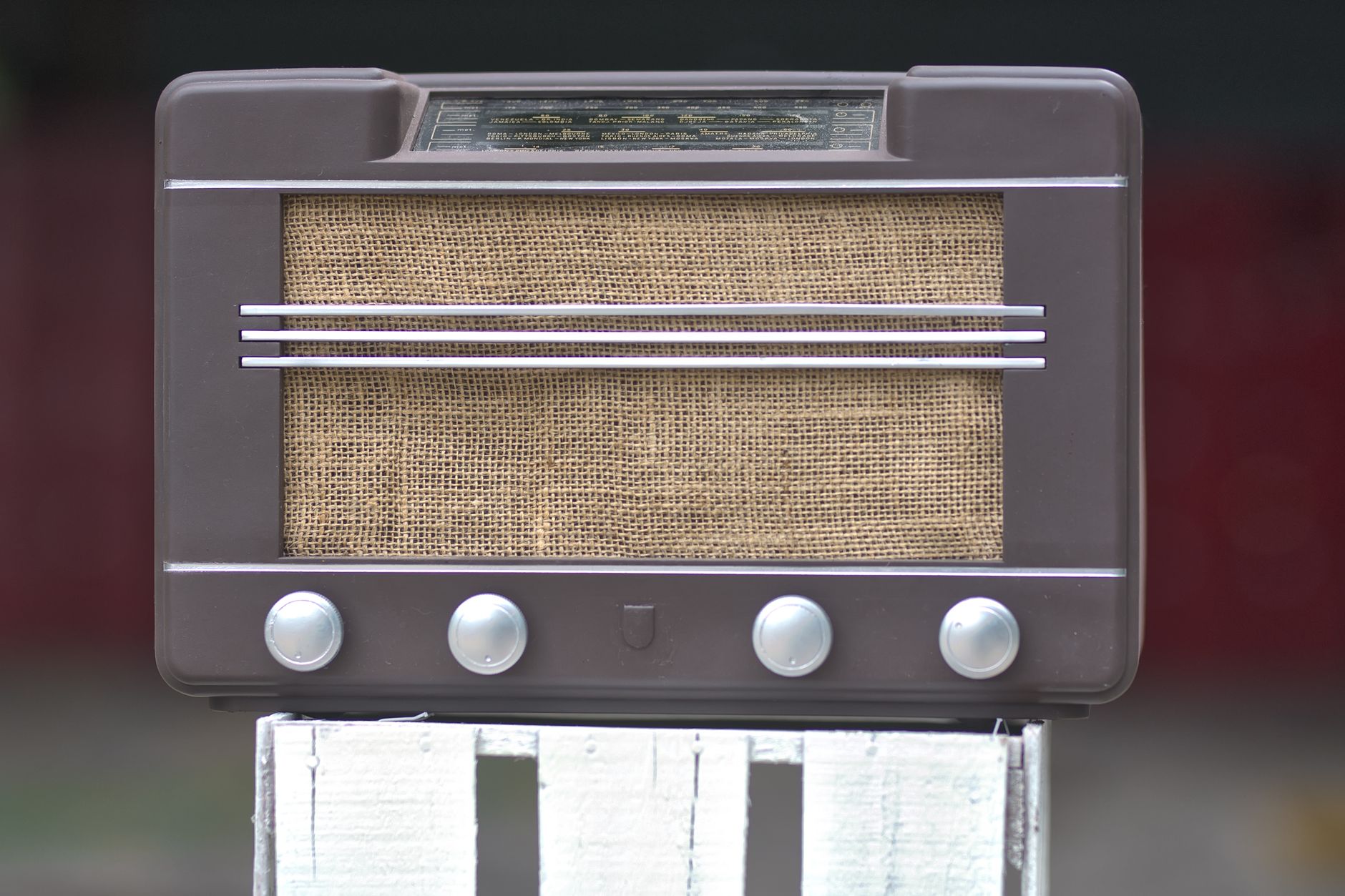
'War of the Worlds' Broadcast: How Radio Sparked 1938 Panic Over Martian Invasion
 India
The Times of India
July 24, 2026 at 06:39
India
The Times of India
July 24, 2026 at 06:39
🌐 This article was automatically translated from Hindi.