 English
 Français
 Español
 हिन्दी
 中文
中文Monitoring sleep through trackers can provide valuable insights into individual bedtime routines and identify potential sleep disturbances, potentially fostering healthier sleep habits. However, experts caution that these devices are not medical diagnostics and shouldn't be used to self-diagnose conditions. A significant downside is the possibility of becoming overly preoccupied with achieving an ideal night's sleep, leading to anxiety and counterproductive behavior. While sleep trackers can be useful tools, it’s important to approach the data with a balanced perspective. Relying solely on tracker data can overshadow the importance of listening to one’s body and prioritizing overall well-being. Ultimately, a healthy relationship with sleep involves more than just numbers and metrics.
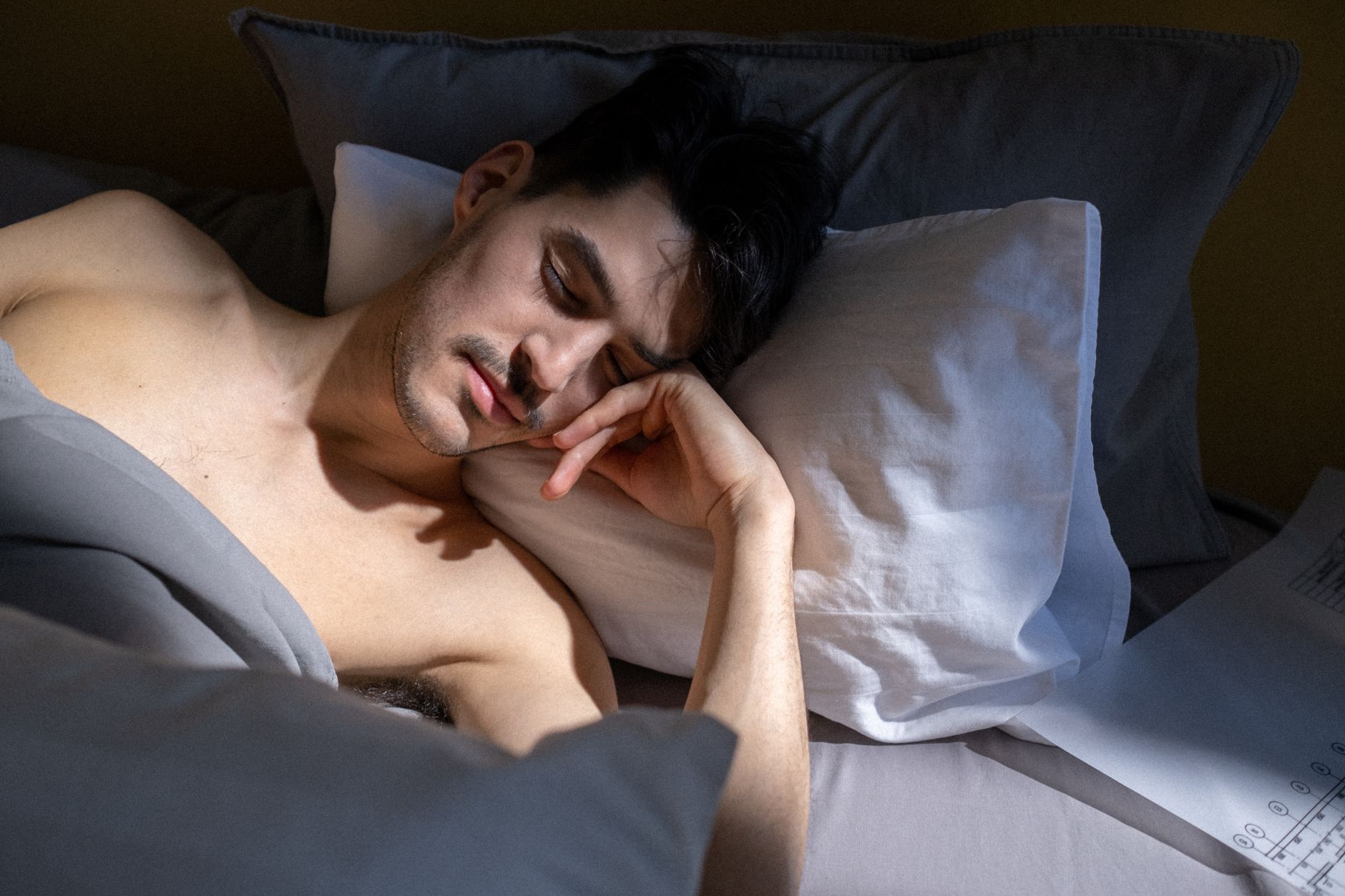
Sleep Trackers: Benefits, Drawbacks, and the Pursuit of Perfect Sleep
 South Africa
Daily Maverick
October 6, 2026 at 05:37
South Africa
Daily Maverick
October 6, 2026 at 05:37
🌐 This article was automatically translated from English.