A recent Tu-22M3 bomber crash in Irkutsk highlights a concerning trend in Russia’s military capabilities. Despite a decreasing number of long-range bombers in its fleet, Russia is enhancing the precision and lethality of its bombing strategies. This suggests a shift in focus from quantity to quality in its air warfare tactics. Experts believe Russia is compensating for fewer available aircraft by improving the guidance systems and effectiveness of its remaining bombers. The incident underscores the challenges Russia faces in maintaining its aging military hardware. This adaptation poses a potential escalation in the conflict, as more precise strikes could inflict greater damage with fewer resources. The situation reveals a strategic adjustment driven by necessity and technological advancement.
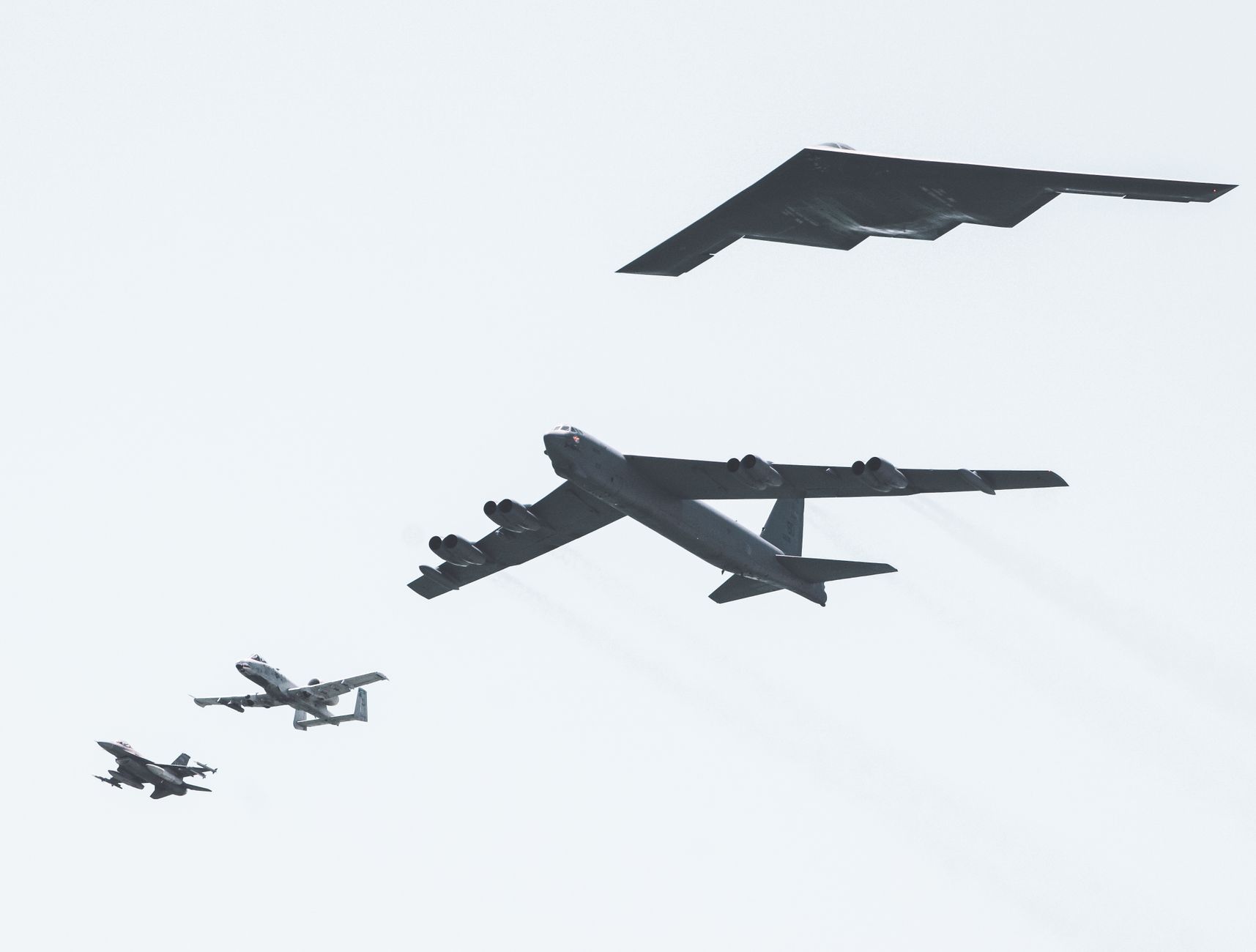
Russia Boosts Bombing Precision as Bomber Fleet Declines
 Ukraine
Euromaidan Press
June 16, 2026 at 16:12
Ukraine
Euromaidan Press
June 16, 2026 at 16:12
🌐 This article was automatically translated from the original in Ukrainian.