 English
 Français
 Español
 हिन्दी
 中文
中文Poland’s traditional field boundaries, known as “miedze,” are rapidly vanishing, posing a threat to the country’s unique agricultural landscape and cultural heritage. These centuries-old boundaries, often defined by rows of trees, shrubs, or stones, historically delineated fields and offered ecological benefits. Modernization of agriculture, involving land consolidation and larger-scale farming, is the primary driver of their destruction. The removal of “miedze” not only alters the aesthetic character of the countryside but also diminishes biodiversity and impacts local ecosystems. Conservationists and cultural experts are raising concerns about the loss of this important element of Polish identity and advocating for preservation efforts. Protecting these boundaries is seen as vital for maintaining both ecological balance and a connection to Poland’s rural past. Without intervention, these defining features of the Polish landscape risk being lost forever.
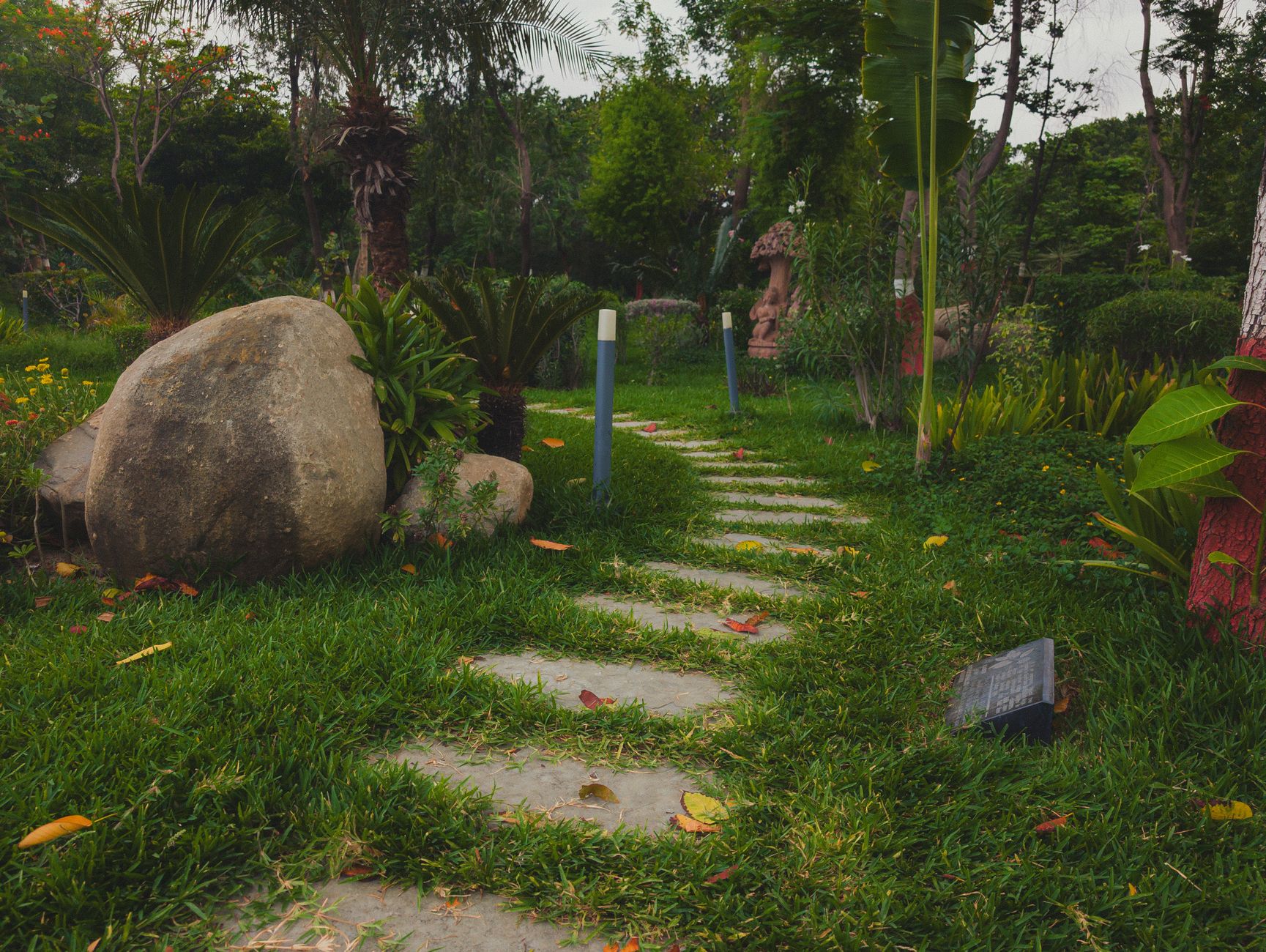
Poland's Historic Field Boundaries Disappearing, Threatening Landscape & Culture
 Poland
RMF24
August 30, 2026 at 07:56
Poland
RMF24
August 30, 2026 at 07:56
🌐 This article was automatically translated from Polish.