 English
 Français
 Español
 हिन्दी
 中文
中文The ongoing discussion surrounding the creation of new provinces in Pakistan is primarily rooted in administrative inefficiencies rather than genuine political demands. Current provincial boundaries, inherited from British colonial rule, are ill-suited to address the country’s demographic shifts and developmental needs. The push for new provinces, particularly in Punjab and Sindh, stems from a desire to improve governance by bringing administration closer to the people and addressing regional disparities. Existing provinces are simply too large and diverse to be effectively managed, leading to resource allocation issues and hindering local development. While political narratives are often used to justify these changes—such as calls for greater regional autonomy—the core impetus remains improving administrative effectiveness. Furthermore, the article suggests a focus on restructuring local government systems alongside potential provincial divisions for a more holistic approach to governance reform. Ultimately, any successful restructuring requires careful consideration of administrative feasibility and equitable resource distribution, not just political considerations.
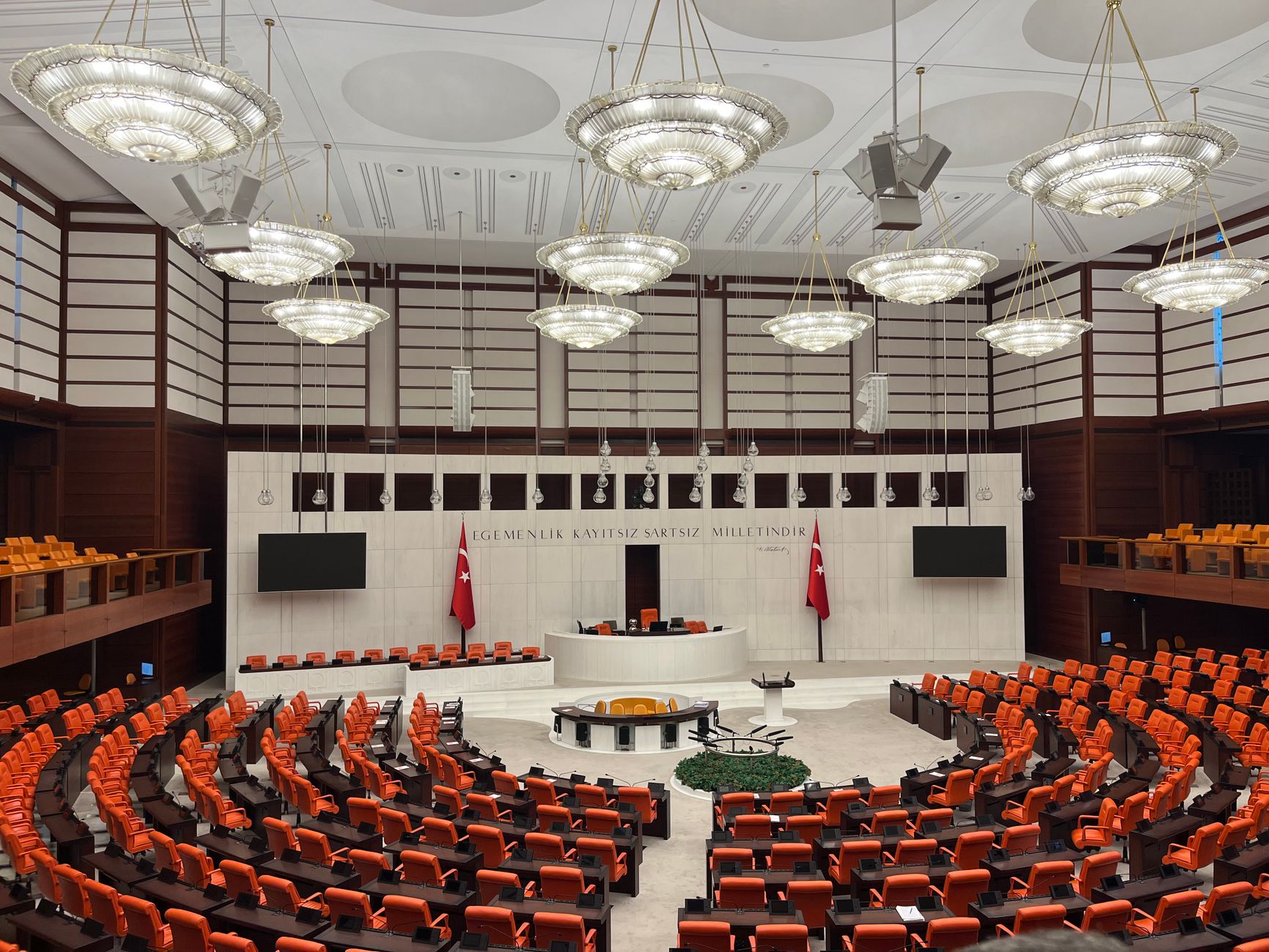
Pakistan's New Province Debate: Administrative Needs Drive Push, Not Political Aspirations
 Pakistan
Dawn
August 5, 2026 at 03:45
Pakistan
Dawn
August 5, 2026 at 03:45
🌐 This article was automatically translated from English.