 English
 Français
 Español
 हिन्दी
 中文
中文A new study reveals Nepal has made substantial progress in lowering adolescent pregnancy rates over the last twenty years, achieving a 35 percent reduction. This success distinguishes Nepal from many other low- and lower-middle income nations in South Asia, including its neighbor, India. The findings highlight Nepal’s positive trend in reproductive health among teenagers. Researchers attribute this improvement to increased access to education, family planning services and changing societal norms. This decline in teen pregnancy has positive implications for the health, education, and economic empowerment of young women in Nepal. The study serves as a model for other countries striving to address this critical issue and improve adolescent wellbeing. Further research is needed to identify the specific interventions that contributed most to Nepal’s success.
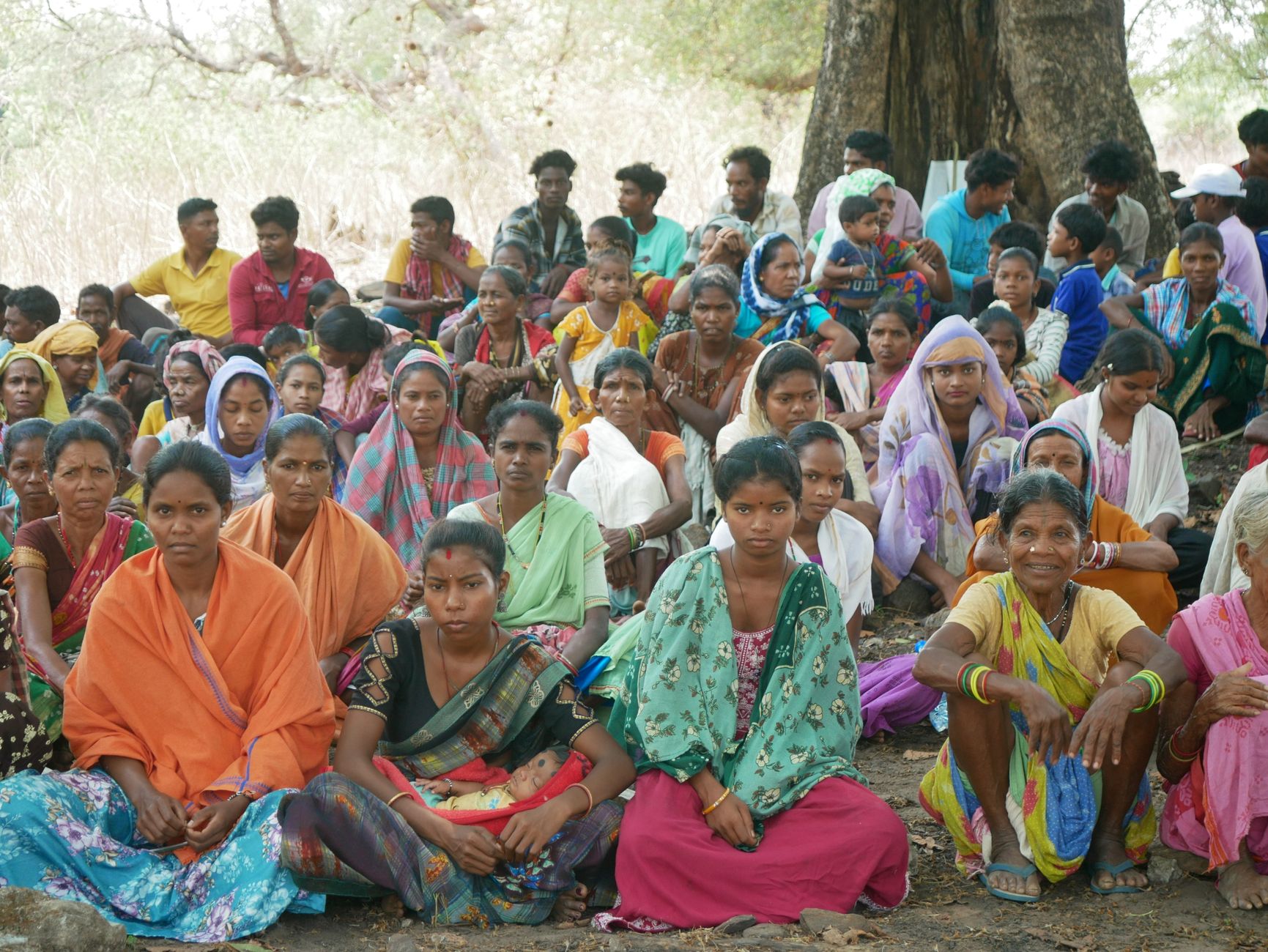
Nepal Achieves Significant Reduction in Teen Pregnancy Rates
 Nepal
Kathmandu Post
August 2, 2026 at 13:53
Nepal
Kathmandu Post
August 2, 2026 at 13:53
🌐 This article was automatically translated from English.