 English
 Français
 Español
 हिन्दी
 中文
中文National Bank economist Reuter argues that political measures cannot fully offset high fuel prices. He discussed the pros and cons of the “Spritpreisbremse” (fuel price cap) currently in effect in Germany, suggesting it’s not a sustainable solution. Reuter also highlighted the importance of transitioning to renewable energies as a long-term strategy to reduce dependence on fossil fuels. Furthermore, he addressed the growing influence of China and the potential impacts, both positive and negative, of artificial intelligence (KI) on the global economy. The economist believes both China and AI present both opportunities and risks that require careful consideration and strategic planning by policymakers in Germany. He emphasized the need for proactive measures to mitigate potential challenges and capitalize on emerging possibilities.
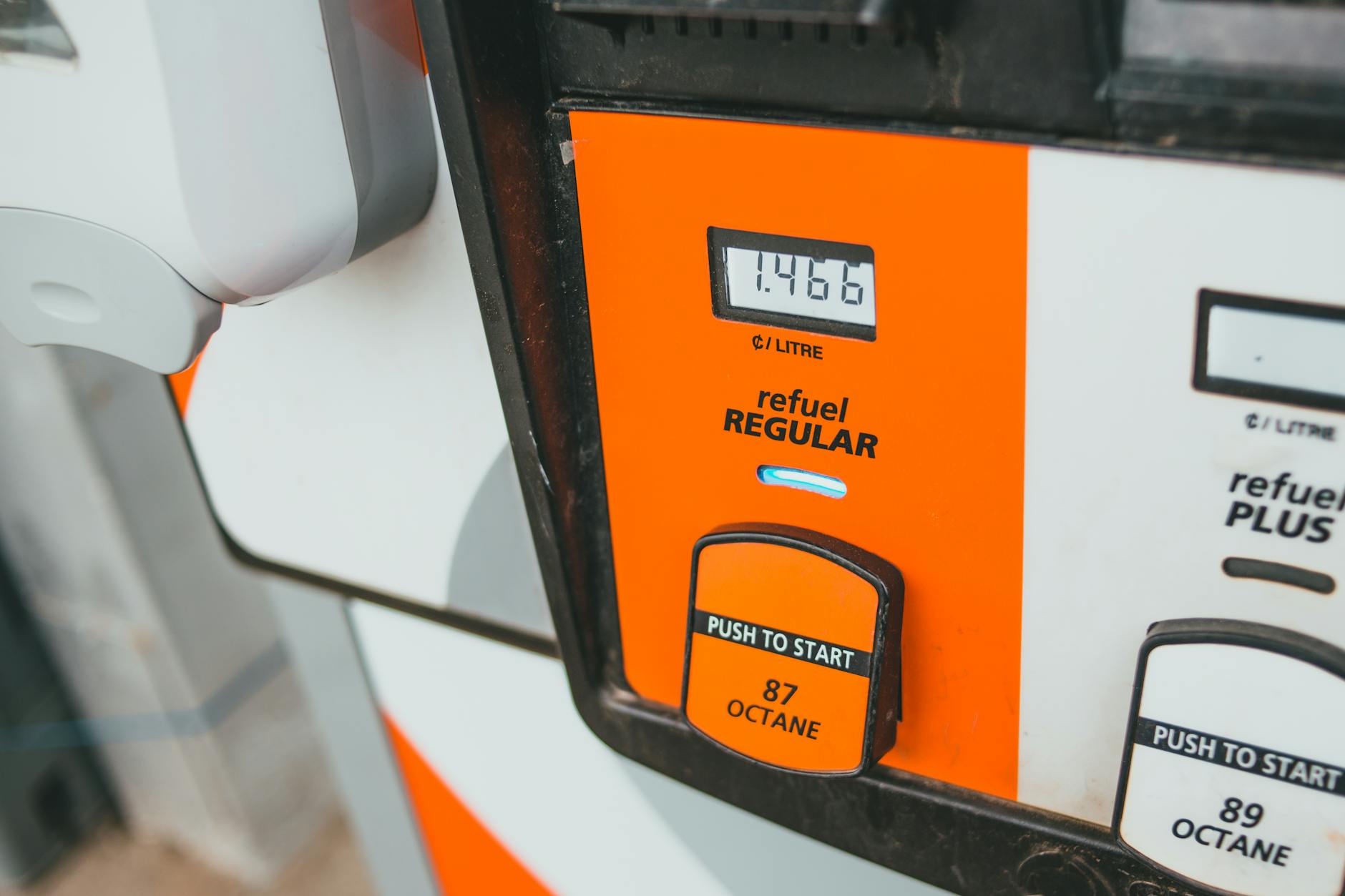
National Bank Economist Reuter: High Fuel Prices Cannot Be Subsidized Away by Politics
 Austria
Der Standard
October 4, 2026 at 05:04
Austria
Der Standard
October 4, 2026 at 05:04
🌐 This article was automatically translated from German.