A colossal circle of pits has been unearthed near Stonehenge, revealing a monumental prehistoric structure over 4,000 years old. Archaeological investigations indicate the site is significantly larger than Stonehenge itself, prompting a reassessment of Neolithic construction capabilities in Britain. The discovery consists of a series of deep shafts arranged in a circular pattern, suggesting a carefully planned and complex undertaking. Researchers believe the structure predates Stonehenge and likely served a ritualistic or ceremonial purpose. This finding challenges previous understandings of the societal organization and religious practices of Neolithic people. The site’s scale indicates a considerable investment of labor and resources, raising questions about the community that built it and their motivations. Further research is underway to fully understand the function and significance of this remarkable archaeological find.
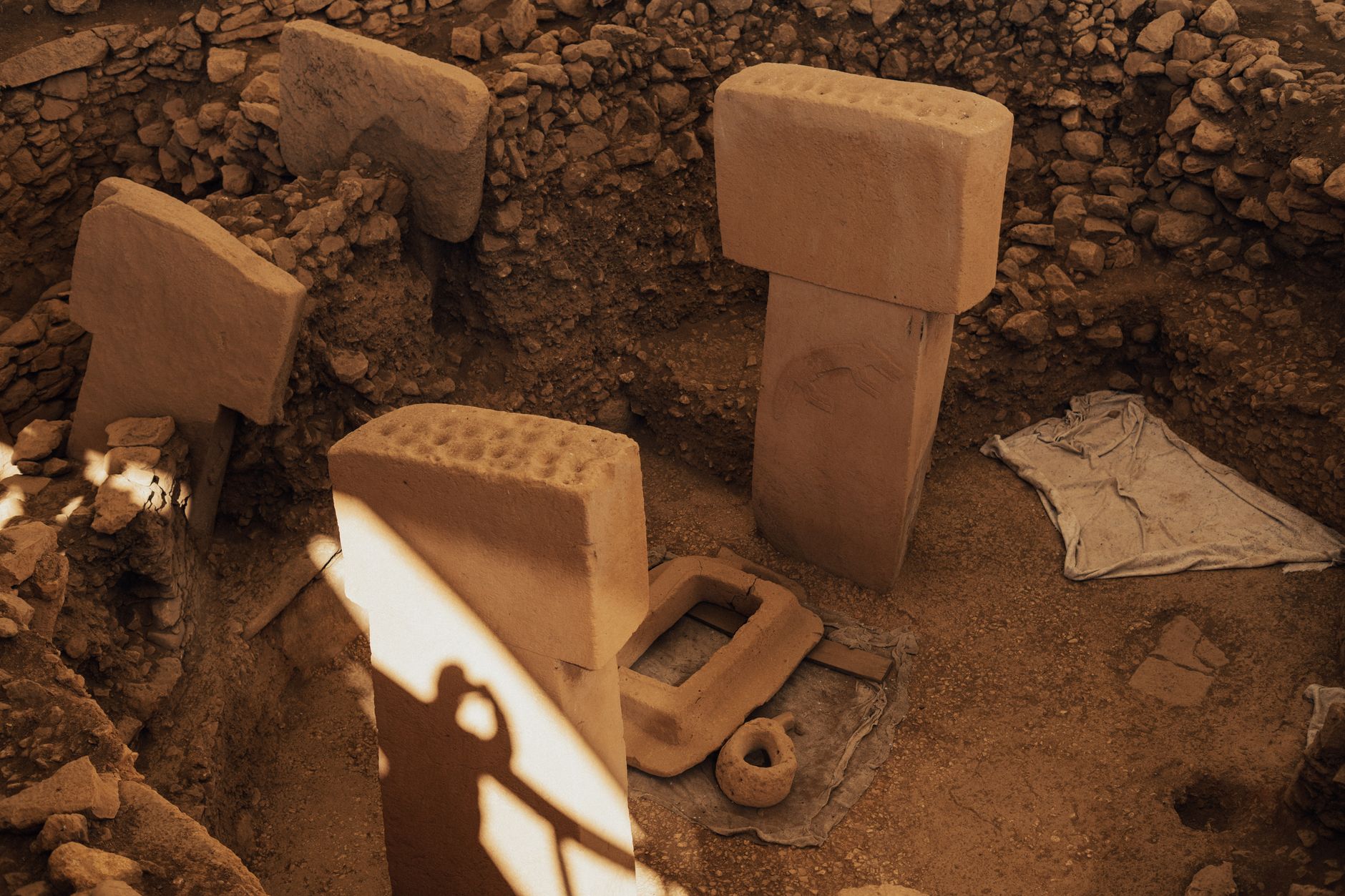
Massive Prehistoric Structure Discovered Near Stonehenge Rewrites History
 Costa Rica
CRHoy
June 16, 2026 at 23:25
Costa Rica
CRHoy
June 16, 2026 at 23:25
🌐 This article was automatically translated from the original in Spanish.