 English
 Français
 Español
 हिन्दी
 中文
Recent escalations in conflict involving Iran are compelling the United States to re-evaluate its approach to warfare. The ongoing tensions, particularly through proxy conflicts, demonstrate the limitations of traditional military strategies against a state that largely avoids direct confrontation. America’s historical reliance on overwhelming force is proving less effective when facing adversaries like Iran who prioritize asymmetrical warfare and regional proxies. This has led to increased scrutiny of the cost-benefit analysis of continued involvement in the Middle East and the effectiveness of sanctions. The U.S. is now considering strategies focused on bolstering regional alliances and enhancing defensive capabilities of partners in the region, rather than large-scale deployments. Experts suggest a shift towards a more nuanced understanding of Iran’s motivations and its complex network of regional partnerships is vital. Ultimately, the situation necessitates a move away from purely kinetic responses and towards a more comprehensive approach that encompasses diplomatic, economic, and technological dimensions.
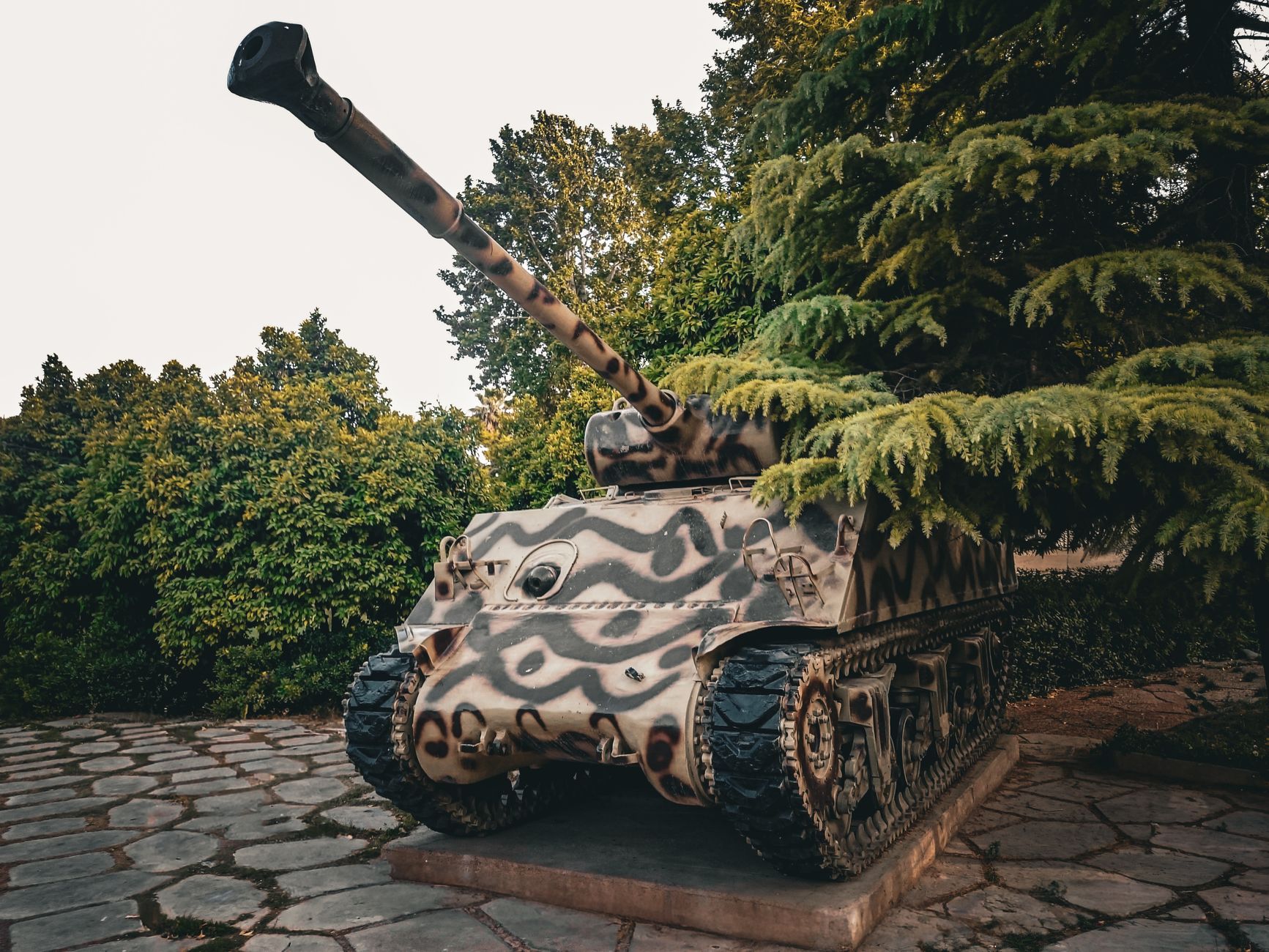
Iran’s Conflict Prompts U.S. Reassessment of Military Strategies
 Pakistan
ARY News
October 19, 2026 at 10:27
🌐 This article was automatically translated from English.