New Zealand politicians continue to heavily focus their campaign efforts on a relatively small segment of the population: farmers, who comprise approximately four percent of the country’s voters. This disproportionate attention is due to the sector’s economic importance and its concentrated geographic distribution, making it a key battleground for votes. Lobbying efforts directed towards farmers are significant, with parties vying for their support on issues ranging from environmental regulations to trade policies. Experts suggest this focus stems from the historical importance of agriculture to New Zealand’s economy and the potential for farmers to influence rural communities. The concentration of farmers in specific electorates also amplifies their political weight. This ongoing pursuit of the agricultural vote raises questions about broader representation and the prioritization of different demographics during election cycles.
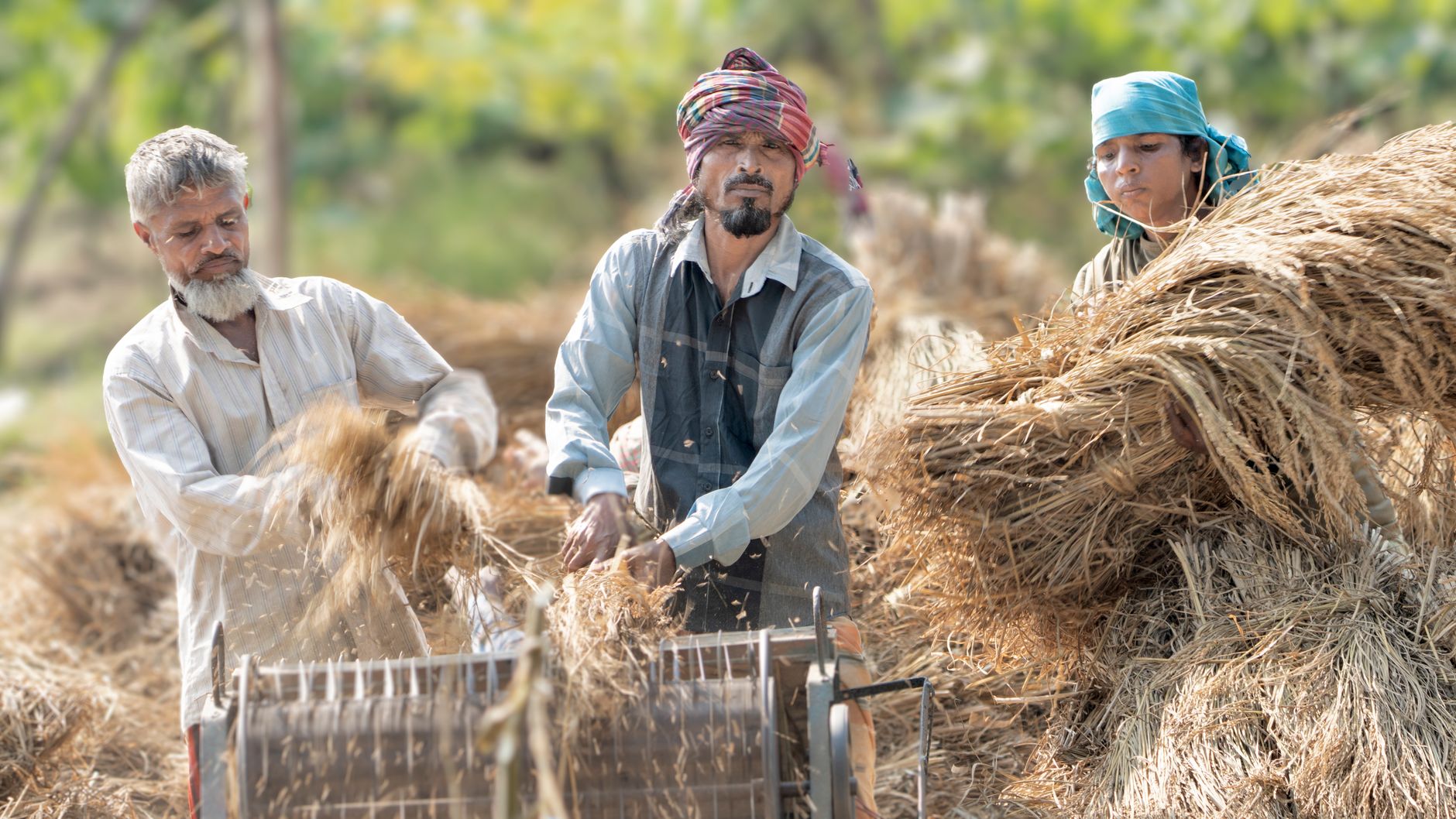
Farmers Remain Key Target in New Zealand Political Campaigns
 New Zealand
Newsroom
June 21, 2026 at 17:01
New Zealand
Newsroom
June 21, 2026 at 17:01
🌐 This article was automatically translated from the original in English.