 English
 Français
 Español
 हिन्दी
 中文
中文The Czech Parliament's budget committee rejected amendments to the Electronic Sales Evidence (EET) law and recommended its approval in its original form, set to take effect next year. The government anticipates revenues of approximately 14 billion Czech crowns from the EET. However, opposition members, like Věra Kovářová, criticize the plan as wasteful spending and a contributor to the state budget deficit, arguing it hinders economic growth. Conversely, Patrik Pařil asserts the EET revenue will fund pre-election promises, including subsidies for kindergartens, student discounts, and reduced VAT on non-alcoholic beverages. This allocation demonstrates a deliberate intention to benefit citizens as initially pledged during the election campaign. The decision has sparked debate over responsible fiscal policy versus fulfilling political commitments.
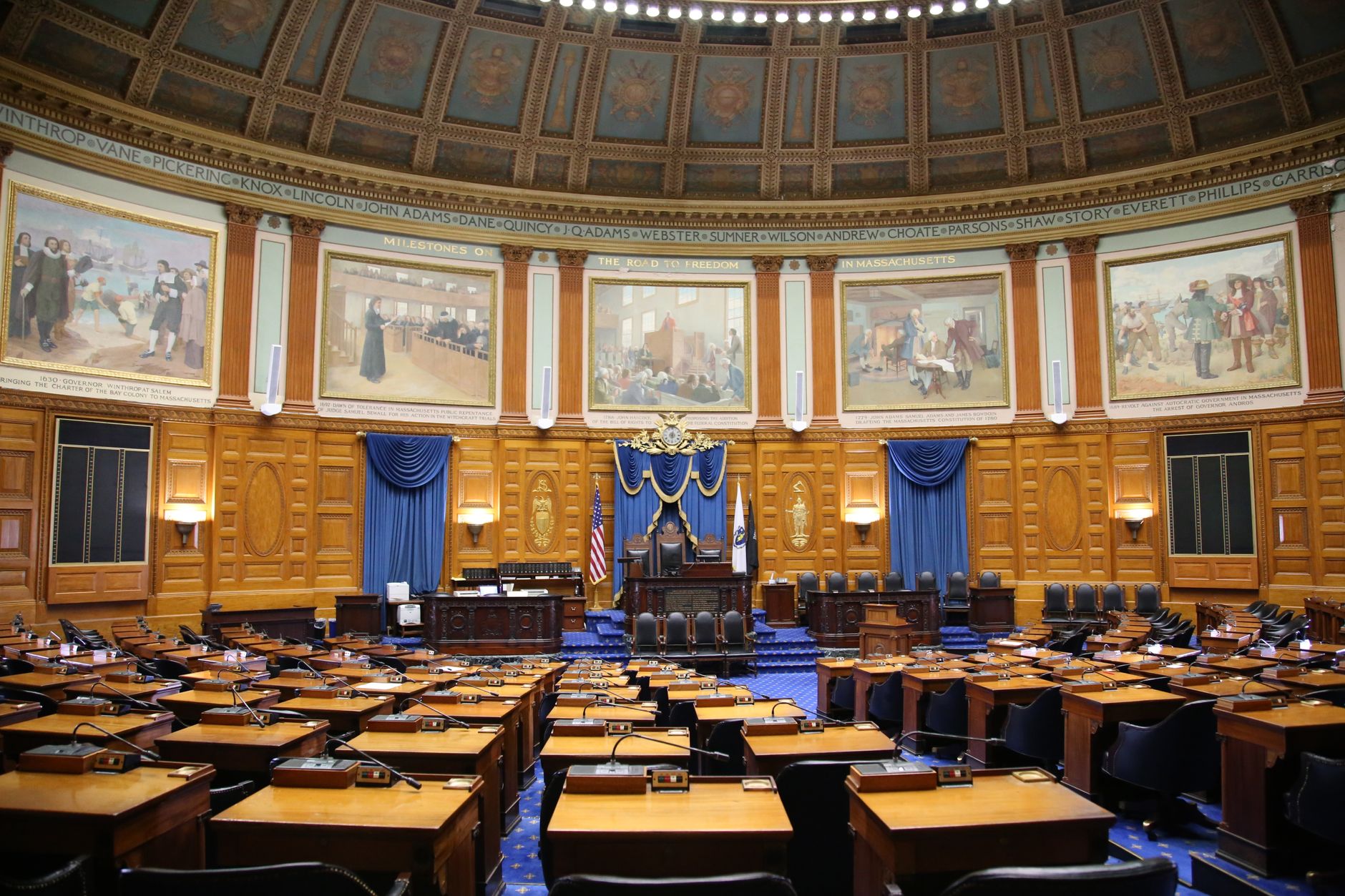
Czech Parliament Committee Approves Electronic Sales Tax, Funding Election Promises
 Czech Republic
CT24
July 1, 2026 at 07:17
Czech Republic
CT24
July 1, 2026 at 07:17
🌐 This article was automatically translated from Czech.