The Chilean government, under President Gabriel Kast, is reviewing “gracia” pensions – benefits granted to individuals impacted by the 2019 social unrest – following the arrest of a recipient on alleged drug trafficking charges. This review focuses on the fiscal benefits previously authorized by prior administrations. The move coincides with the current government’s characterization of the 2019 protests as a period of criminal activity, officially termed an “estallido delictual” (criminal outbreak). Officials are assessing whether the benefits were appropriately awarded, given the recent criminal allegations. The re-examination raises questions about the criteria used for granting these pensions and the government’s stance on acknowledging harm suffered during the protests. This action signals a potential shift in how the state addresses the legacy of the social upheaval and its victims. The case is generating debate regarding justice and accountability for both protest-related injuries and subsequent criminal activity.
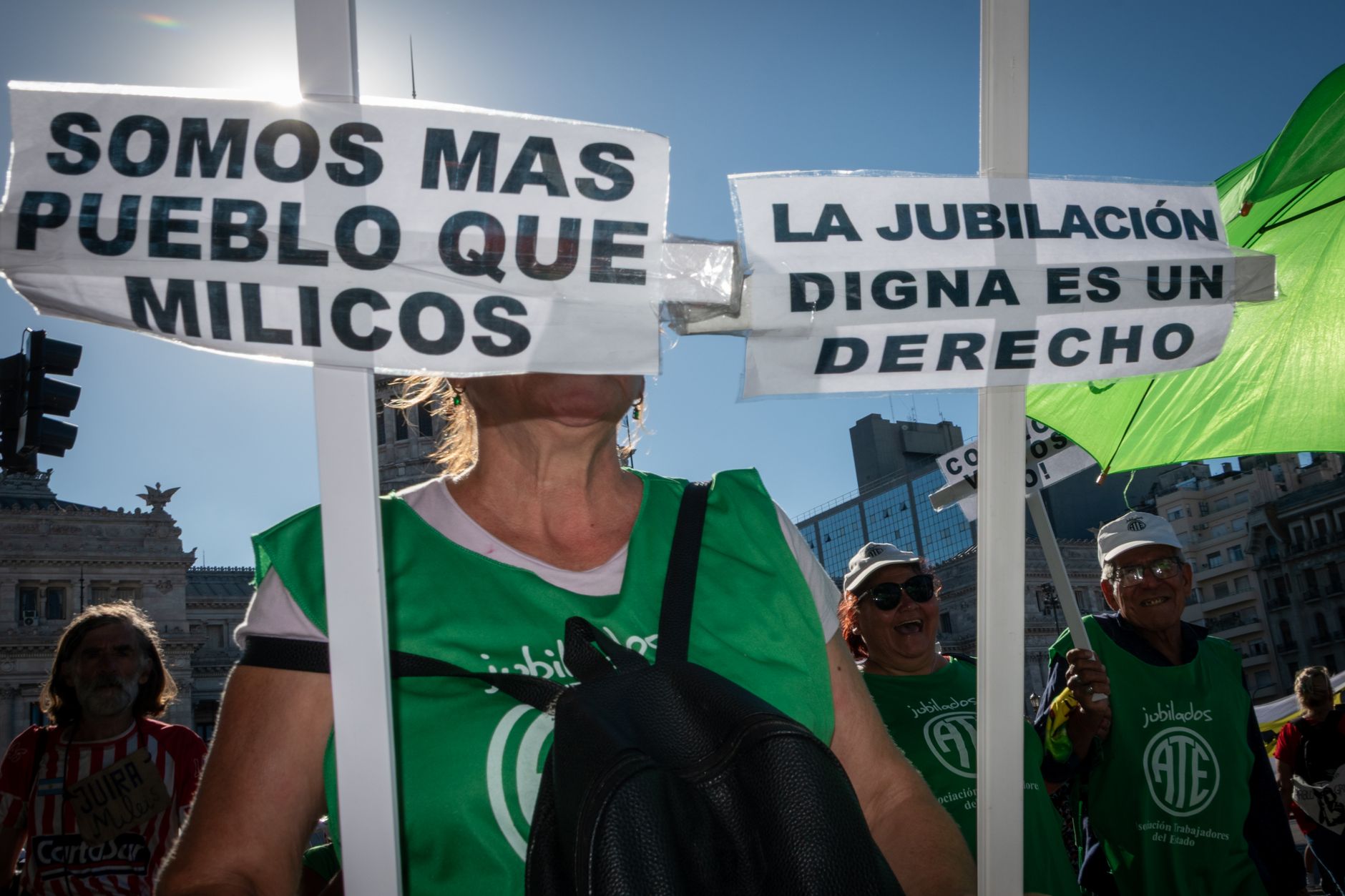
Chile Re-Examines Benefits for 2019 Protest Victims Amid Drug Trafficking Probe
 Venezuela
El Nacional
June 16, 2026 at 22:18
Venezuela
El Nacional
June 16, 2026 at 22:18
🌐 This article was automatically translated from the original in Spanish.