 English
 Français
 Español
 中文
中文A coronal mass ejection (CME) stemming from an M1.4 solar flare is expected to trigger a display of the Northern Lights, or Aurora Borealis, across parts of the US and Canada on the night of October 8th and 9th. The National Oceanic and Atmospheric Administration (NOAA) predicts geomagnetic storm conditions ranging from G1 to G2, with the possibility of increased activity on Friday. Optimal viewing locations will be in Alaska, Canada, and the northern regions of the US, where dark skies are most prevalent. Observers should look for the aurora after nightfall, with conditions potentially improving as the night progresses. This event offers a chance to witness a spectacular natural phenomenon resulting from space weather. The strength of the aurora display will depend on the intensity and trajectory of the CME’s impact on Earth’s magnetic field.
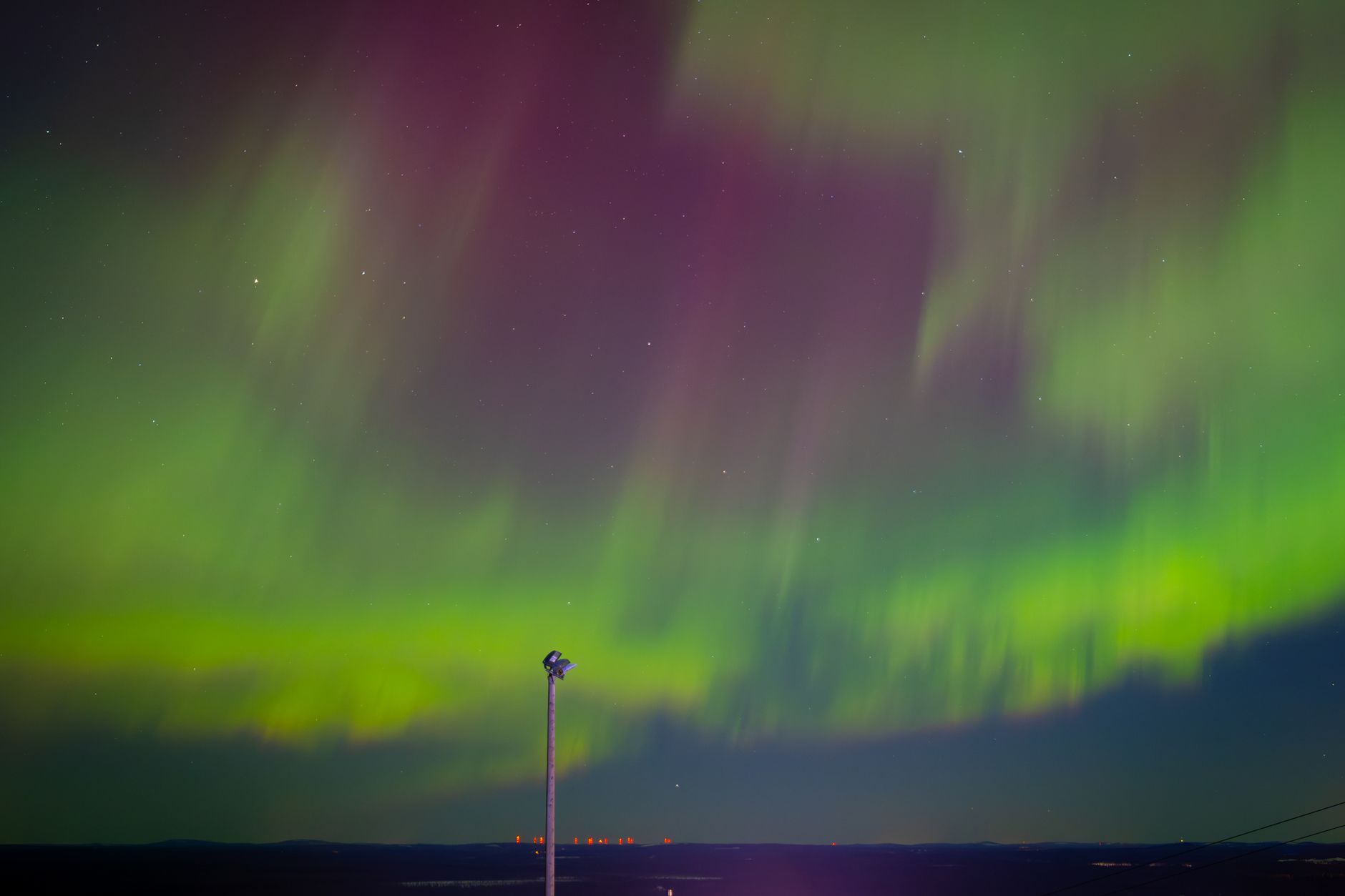
Aurora Borealis Expected in US, Canada October 8-9: Viewing Guide
 India
The Times of India
October 8, 2026 at 05:39
India
The Times of India
October 8, 2026 at 05:39
🌐 This article was automatically translated from Hindi.