 English
 Français
 Español
 हिन्दी
 中文
中文Archaeologist Gary Feinman is challenging conventional wisdom about the rise of powerful rulers in ancient societies. His research focuses on the ancient cities of Teotihuacán and the Maya, demonstrating that population growth did not automatically lead to autocratic leadership. Traditionally, it was believed that increasing populations necessitated centralized, authoritarian control. However, Feinman’s work suggests that complex societies—like those in Teotihuacán and among the Maya—developed sophisticated organizational structures that allowed for governance without relying on a single, all-powerful ruler. These societies employed alternative strategies for managing large populations and maintaining social order. This archaeological evidence offers a new perspective on the relationship between population size, social complexity, and political structures in the ancient world.
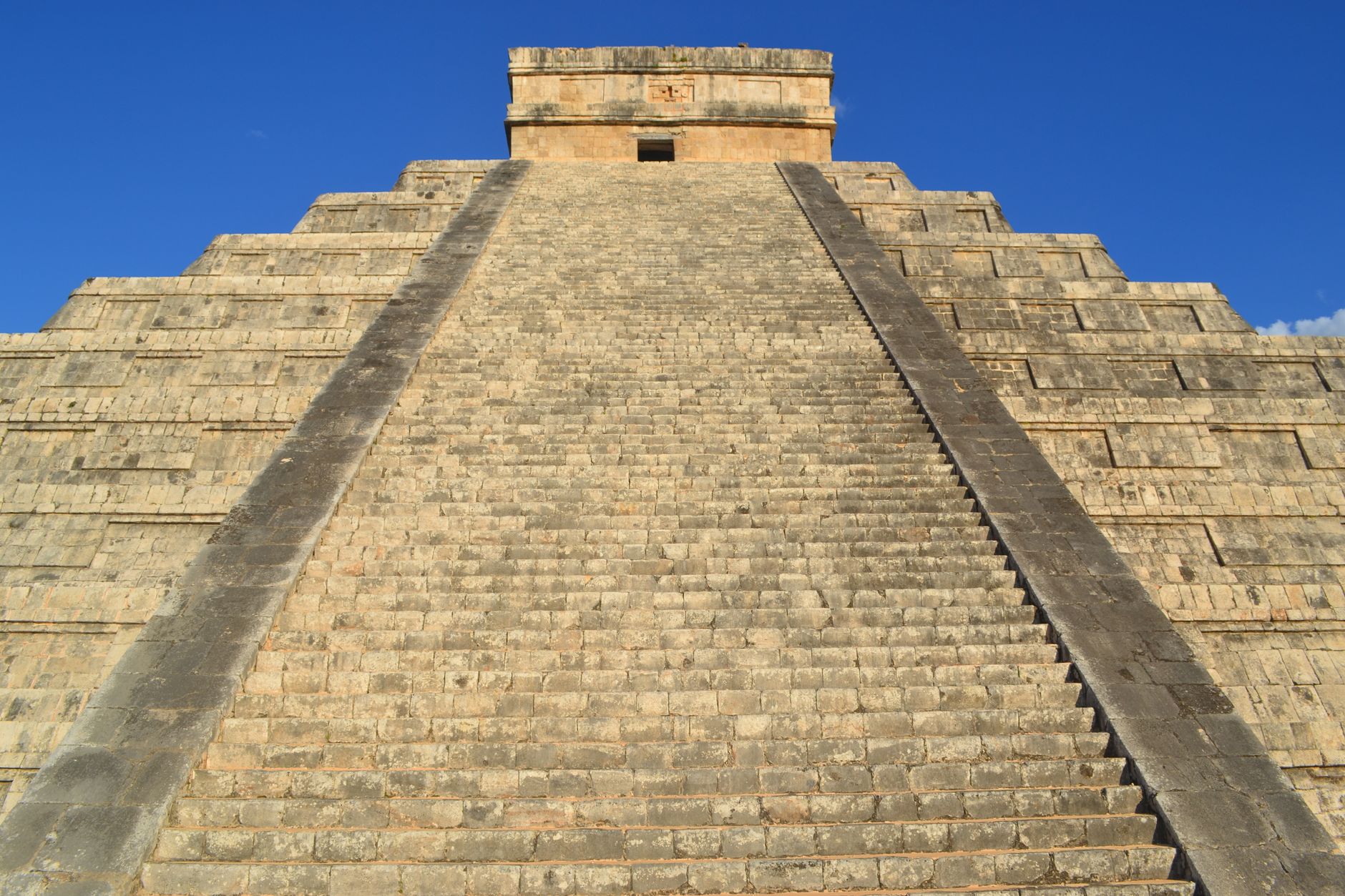
Archaeology Reveals How Powerful Rulers Rose Without Autocracy
 Costa Rica
La Nación
October 10, 2026 at 16:57
Costa Rica
La Nación
October 10, 2026 at 16:57
🌐 This article was automatically translated from Spanish.