 English
 Français
 Español
 हिन्दी
 中文
A new study has confirmed the human heart can adapt to the gravitational pull of Mars following a period in space. Researchers investigated the cardiovascular performance of individuals after simulated spaceflight and subsequent exposure to Martian gravity levels – roughly 38% of Earth’s gravity. The findings indicate the heart doesn’t suffer long-term damage and can adjust to the reduced gravity environment of Mars. This is crucial for planning long-duration missions to Mars, as previously there were concerns about the impact of gravity changes on astronaut health. The study offers encouraging data for future crewed missions to Mars, demonstrating the potential for human bodies to function effectively on the planet. Further research will focus on long-term effects and individual variations in adaptation to Mars gravity. These results represent a significant step forward in understanding the physiological challenges of interplanetary travel.
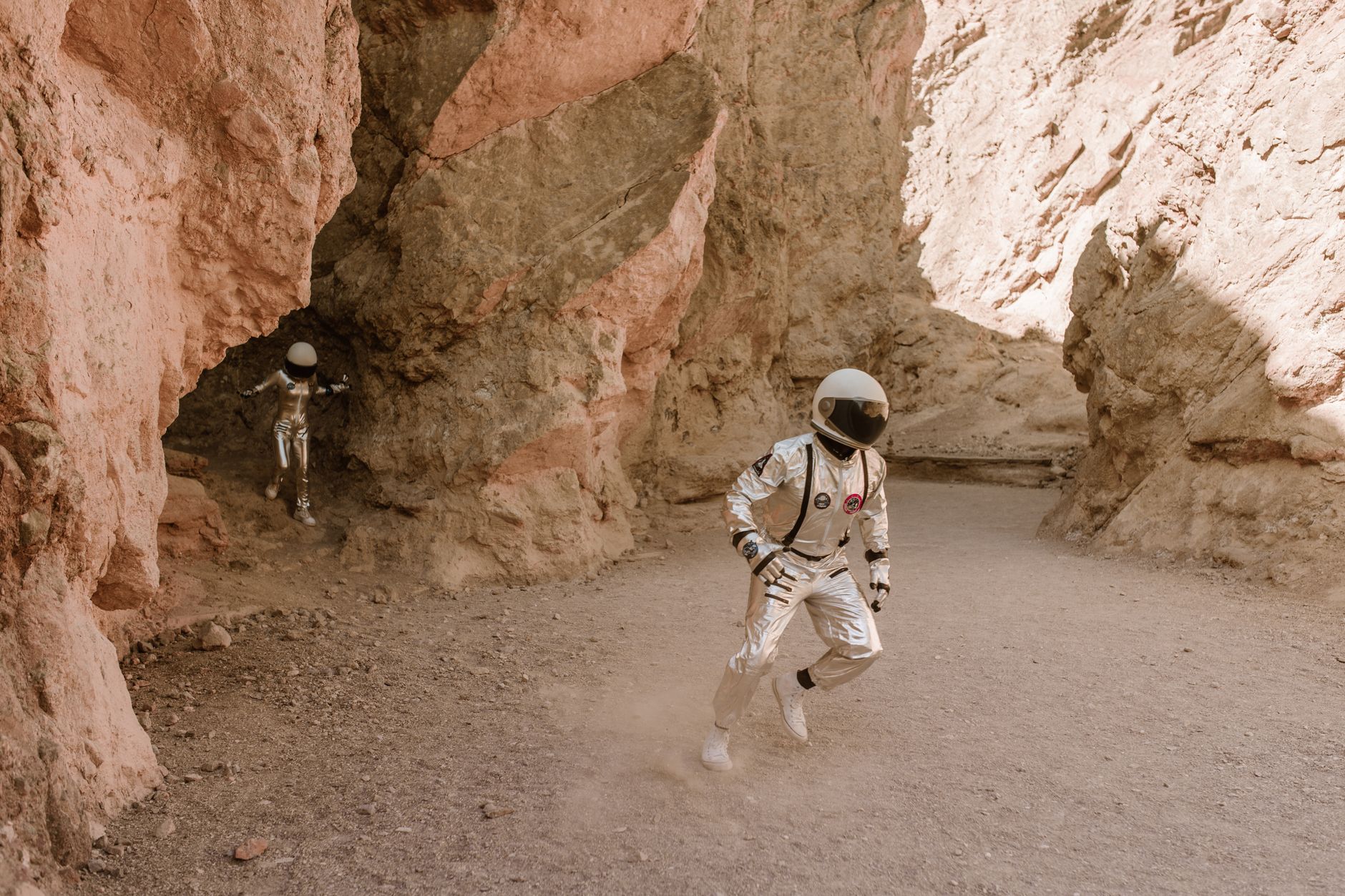
Human Hearts Adapt to Mars Gravity After Spaceflight, Study Finds
 Pakistan
ARY News
October 20, 2026 at 19:05
🌐 This article was automatically translated from English.