 English
 Français
 Español
 हिन्दी
 中文
A tip from an Egyptian farmer has led to the discovery of two meter-high statues of Pharaoh Ramses II, who reigned from 1300 to 1213 BC and is considered one of Egypt’s most important and influential pharaohs. The discovery was made in Behbeit El Hagar, approximately 110 kilometers north of Cairo in the Nile Delta after farmer Khaled el-Shahat encountered a hard object while working his land. The object proved to be a pink piece of granite covered in hieroglyphs, prompting him to alert authorities. Subsequent excavation revealed a 1.5-meter-long head wearing a double crown, symbolizing the unification of Upper and Lower Egypt. Inscriptions on the back of the fragment identified Ramses II by his official title, “Har Ka Nekht Mery Mait,” and suggest the complete statue was 8.5 meters high. A second, approximately 2.5-meter-long statue depicts Ramses II wearing a striped headcloth, and was found near the original fragment identifying him as “king of Upper and Lower Egypt” and “Son of Ra.”
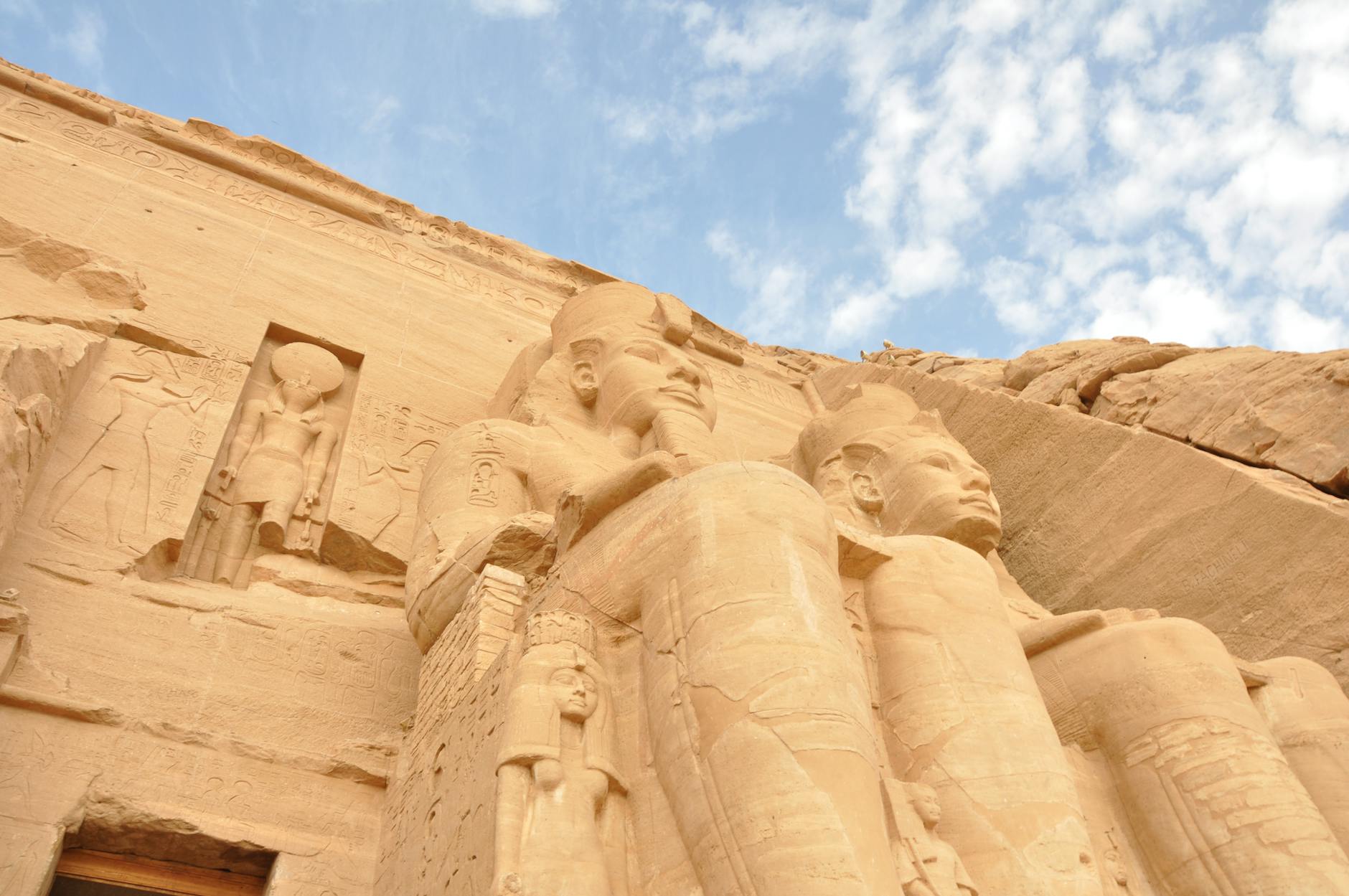
Egyptian Farmer's Tip Leads to Discovery of Massive Ramses II Statues
 Netherlands
NOS
October 19, 2026 at 19:15
🌐 This article was automatically translated from Dutch.