 English
 Français
 Español
 हिन्दी
 中文
中文Taiwan and Mexico both face the complex task of ensuring effective political representation for indigenous populations. Although they are geographically distant, both nations share a commitment to democratic alignment. Taiwan utilizes a system of identity-based reserved seats that operate on a nationwide scale. In contrast, Mexico employs territorial districts that require formal community recognition. This difference creates a contrast between Taiwan's stable national presence and Mexico's localized accountability. By comparing these two distinct models, the article seeks to identify mutual strengths. Ultimately, the analysis offers vital lessons for modernizing minority representation in both democracies.
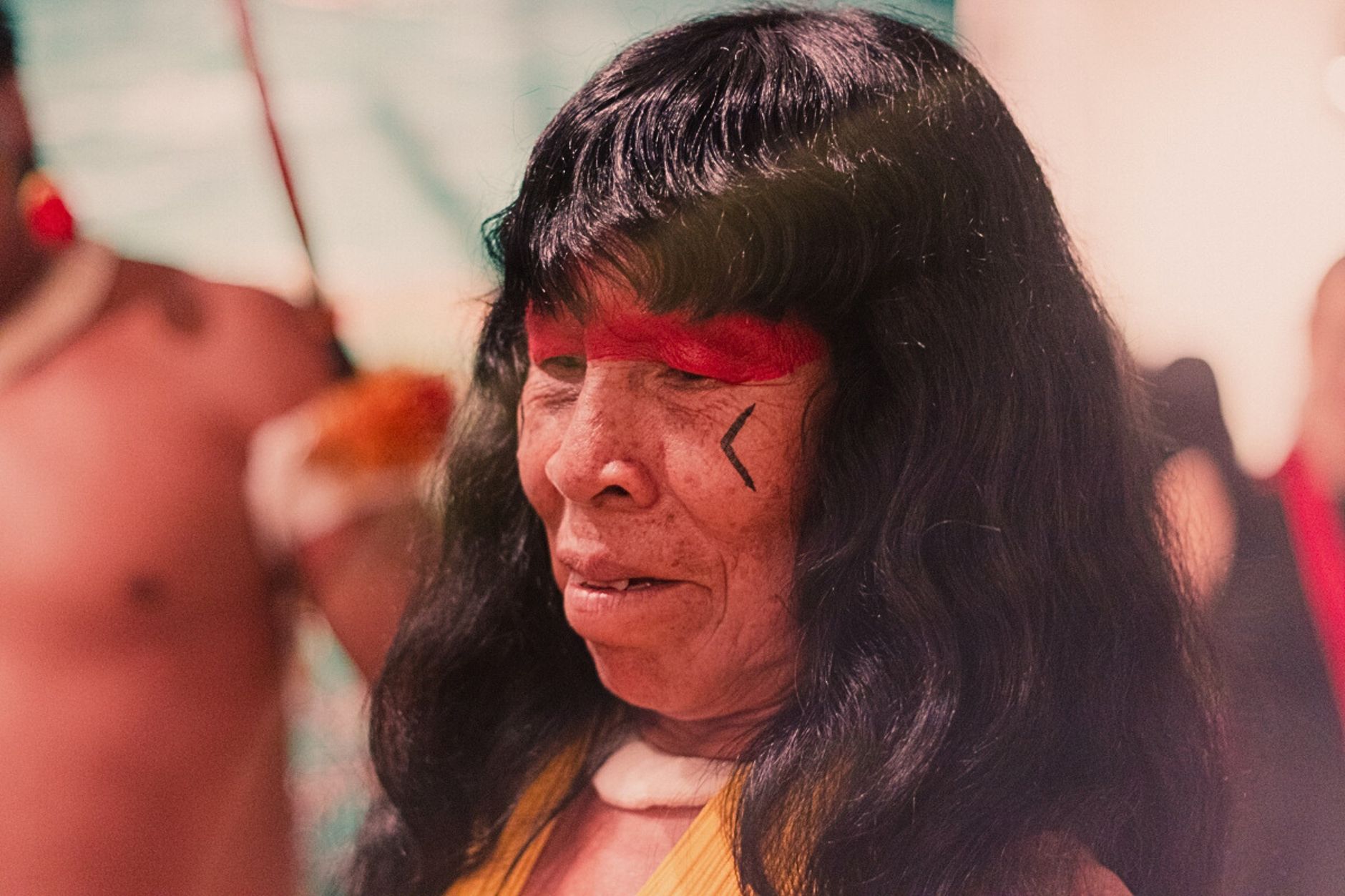
Taiwan and Mexico: Comparative Lessons in Indigenous Political Representation
 Taiwan
 Insight
July 22, 2026 at 11:53
Taiwan
Taiwan Insight
July 22, 2026 at 11:53
🌐 This article was automatically translated from English.