 English
 Français
 Español
 हिन्दी
 中文
中文Since 1972, 27 seconds have been added to global clocks to account for variations between atomic time and the Earth’s rotation. Now, researchers are considering changes to this system of “leap seconds.” The current practice is designed to keep Coordinated Universal Time (UTC) aligned with the planet’s slightly irregular spin. However, adding or subtracting a second can cause disruption for computer systems and financial markets. Scientists are evaluating whether to eliminate leap seconds altogether, potentially resulting in a one-hour divergence over time between atomic clocks and solar time. A decision about the future of leap seconds is expected to be made by international timekeeping bodies in the coming years, impacting global time synchronization. This change would affect systems reliant on precise timing, including telecommunications and navigation.
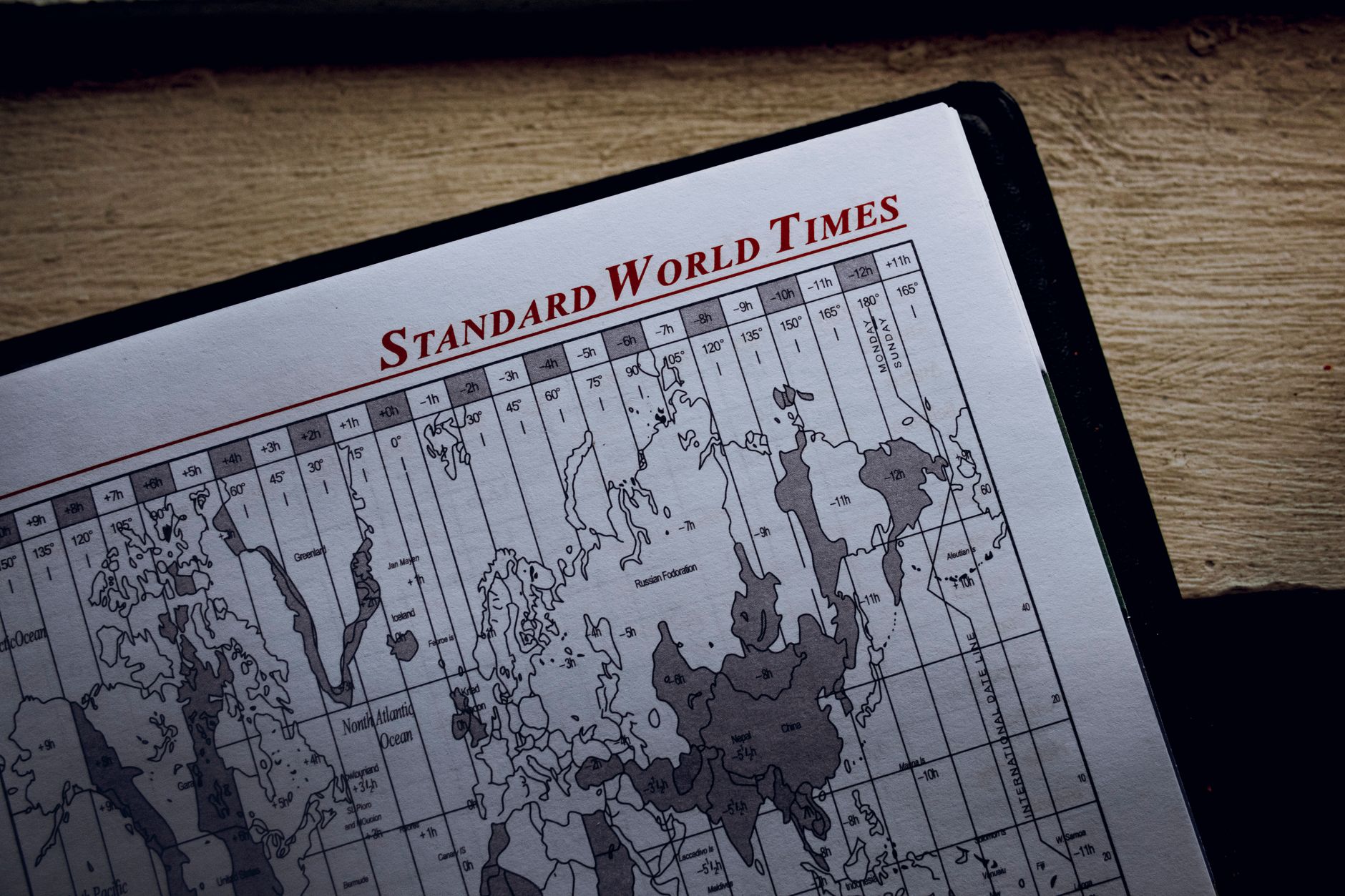
“Leap Second” System Under Review—Potential for One-Hour Shift
 Norway
Aftenposten
October 13, 2026 at 05:21
Norway
Aftenposten
October 13, 2026 at 05:21
🌐 This article was automatically translated from Norwegian.