 English
 Français
 Español
 हिन्दी
 中文
中文The international authority responsible for timekeeping has voted to eliminate the “leap second,” a practice that has caused complications in global synchronization. This decision, made on Thursday, ends a long-standing debate over the addition of seconds to Coordinated Universal Time (UTC) to account for the Earth’s slowing rotation. The leap second, while intended to maintain alignment with astronomical time, has been increasingly problematic for computer systems and financial markets. Critics argued it introduces significant errors and instability, necessitating costly workarounds. The abolition is expected to simplify timekeeping for technological applications and improve the reliability of various systems. The move signals a shift toward prioritizing technological accuracy over strict astronomical alignment.
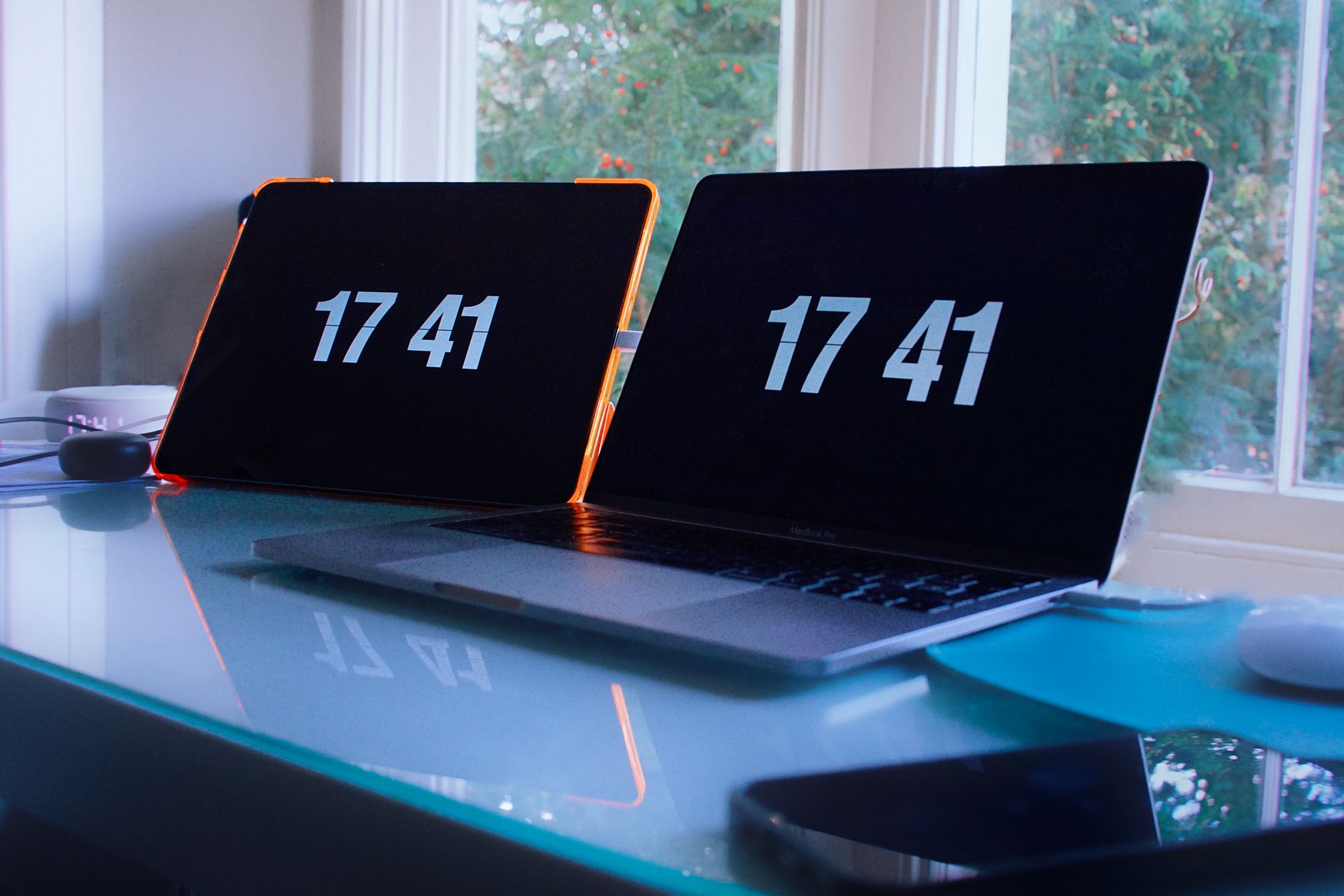
Leap Second Abolished: Global Timekeeping System to Simplify
 Australia
Sydney Morning Herald
October 17, 2026 at 21:10
Australia
Sydney Morning Herald
October 17, 2026 at 21:10
🌐 This article was automatically translated from English.