 English
 Français
 Español
 हिन्दी
The question of when humanoid robots will become commonplace is gaining traction as technological advancements accelerate. Current models, while demonstrating impressive capabilities in areas like walking and object manipulation, still face significant hurdles. These challenges include high production costs, limited battery life, and the need for more sophisticated AI to handle unpredictable real-world scenarios. Despite these obstacles, investment in humanoid robotics is surging, driven by potential applications in labor shortages, elder care, and hazardous environments. Companies like Tesla and Figure AI are actively developing and showcasing increasingly advanced prototypes. While full integration into everyday life remains years away, progress suggests a future where humanoid robots play a more substantial role in assisting and interacting with humans is increasingly likely. The focus now is on refining their functionality, reducing costs, and ensuring safe and reliable operation.
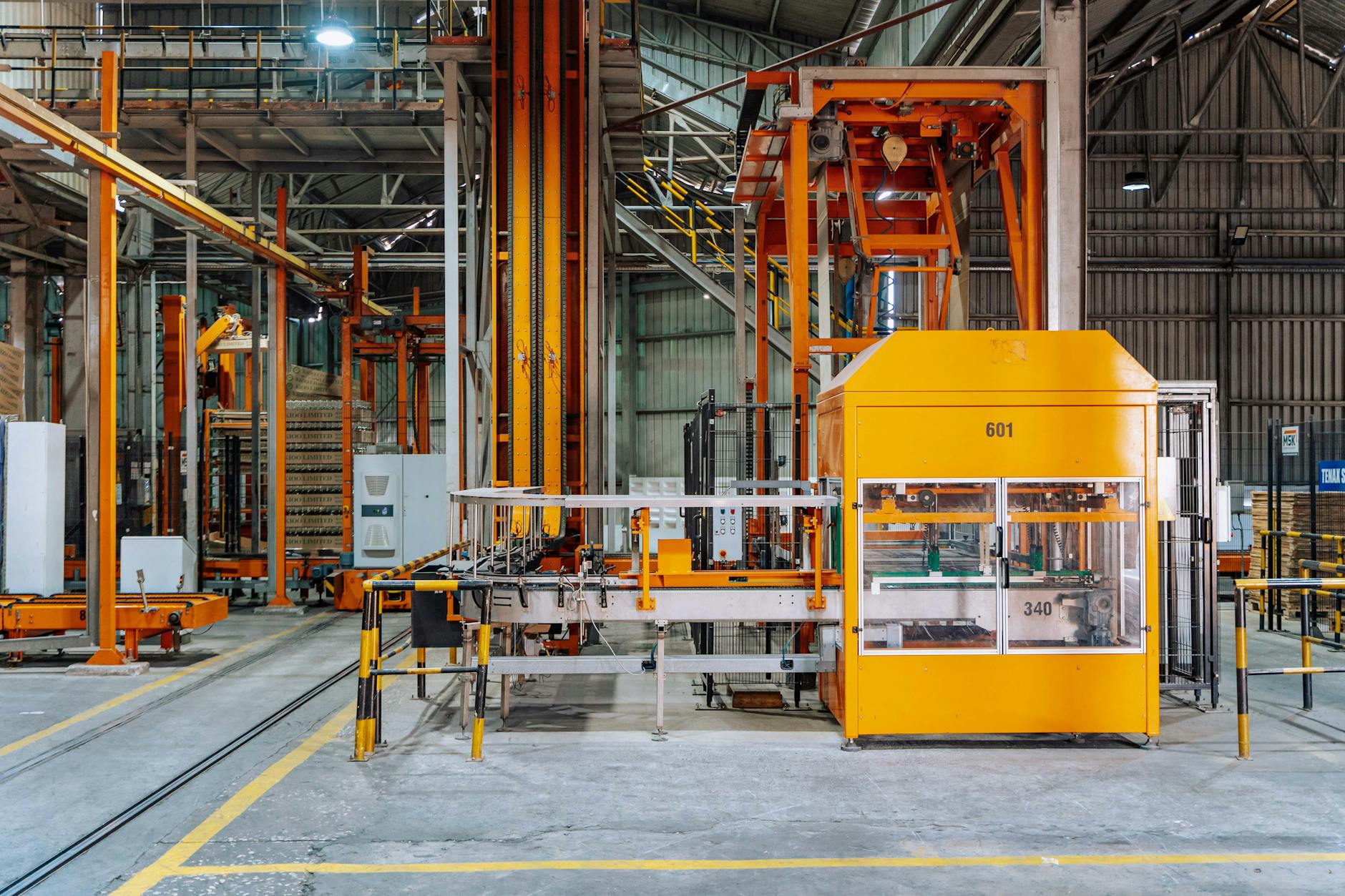
Humanoid Robots: Progress, Challenges, and Integration into Daily Life
 China
CGTN
August 27, 2026 at 02:31
China
CGTN
August 27, 2026 at 02:31
🌐 This article was automatically translated from Chinese.