 English
 Français
 Español
 हिन्दी
 中文
中文Germany’s five percent election threshold, designed to prevent fragmentation in the Bundestag, has proven effective for over 70 years. This clause, known as the “Sperrklausel,” is credited with fostering political stability within the German parliamentary system. By requiring parties to secure at least five percent of the national vote to gain representation, it avoids a potentially unwieldy number of smaller parties. Supporters argue this system protects against political splintering and encourages the formation of strong, governing coalitions. The established threshold continues to be a subject of debate, but remains a cornerstone of German electoral mechanics. Its continued use reflects a prioritization of stable governance over potentially broader representation of minor political forces.
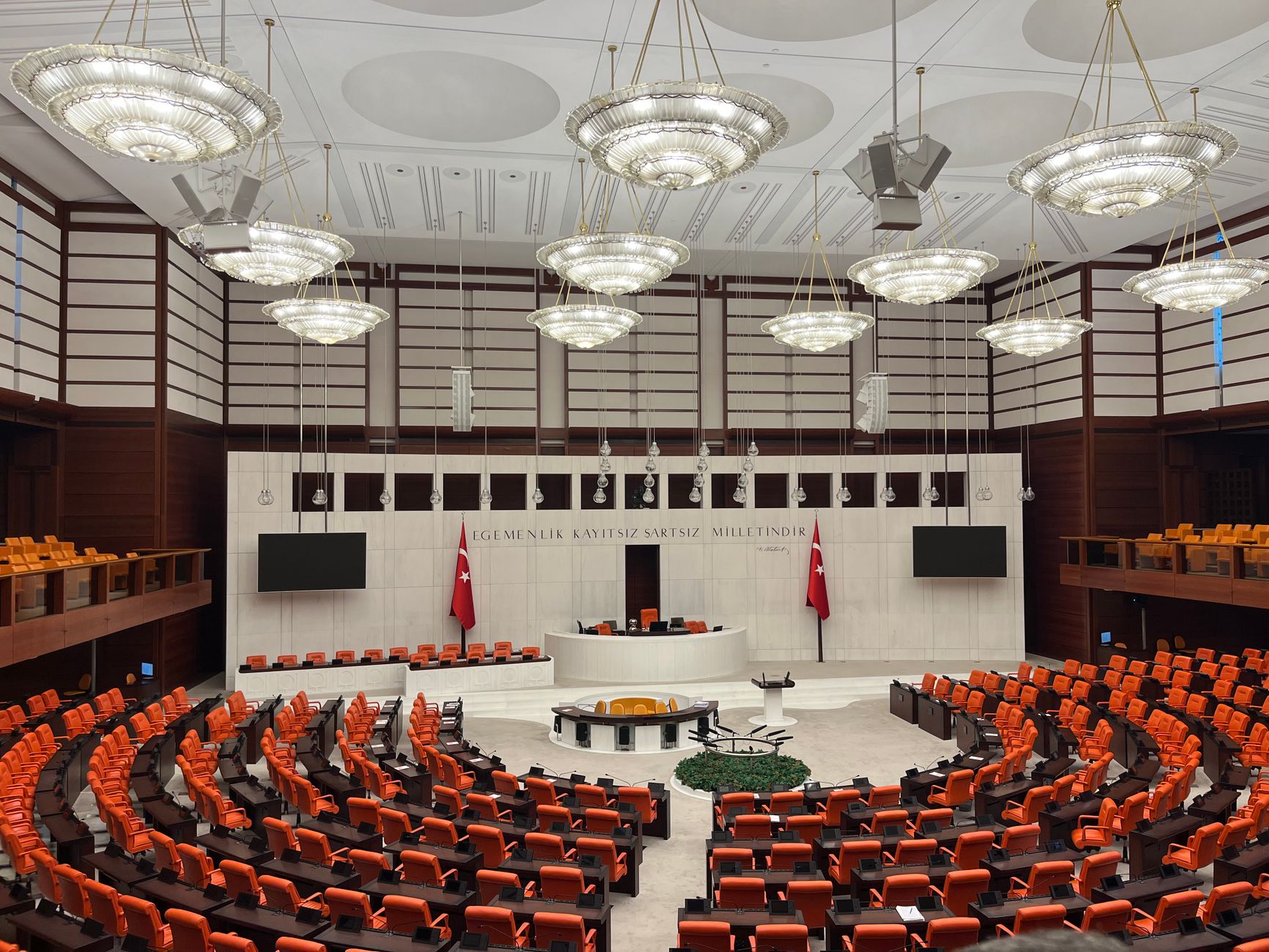
German Election Threshold Remains Stable After Seven Decades
 Germany
FAZ
July 30, 2026 at 21:02
Germany
FAZ
July 30, 2026 at 21:02
🌐 This article was automatically translated from German.