In the mid-1980s, Greece experienced a peculiar archaeological incident when construction debris was mistakenly identified as remnants of the Colossus of Rhodes. The colossal statue, one of the Seven Wonders of the Ancient World, was lost to history and believed to have been destroyed by an earthquake centuries ago. A contractor’s rubble, unearthed during building work, was initially hailed as a significant archaeological find. This misidentification sparked excitement before being debunked, becoming a now-infamous and humorous episode in Greek archaeology. The incident highlights the challenges and occasional pitfalls of archaeological investigation and interpretation. The story remains a notable example of how easily expectations can influence perceptions in the field. It underscores the importance of rigorous verification in archaeological discoveries.
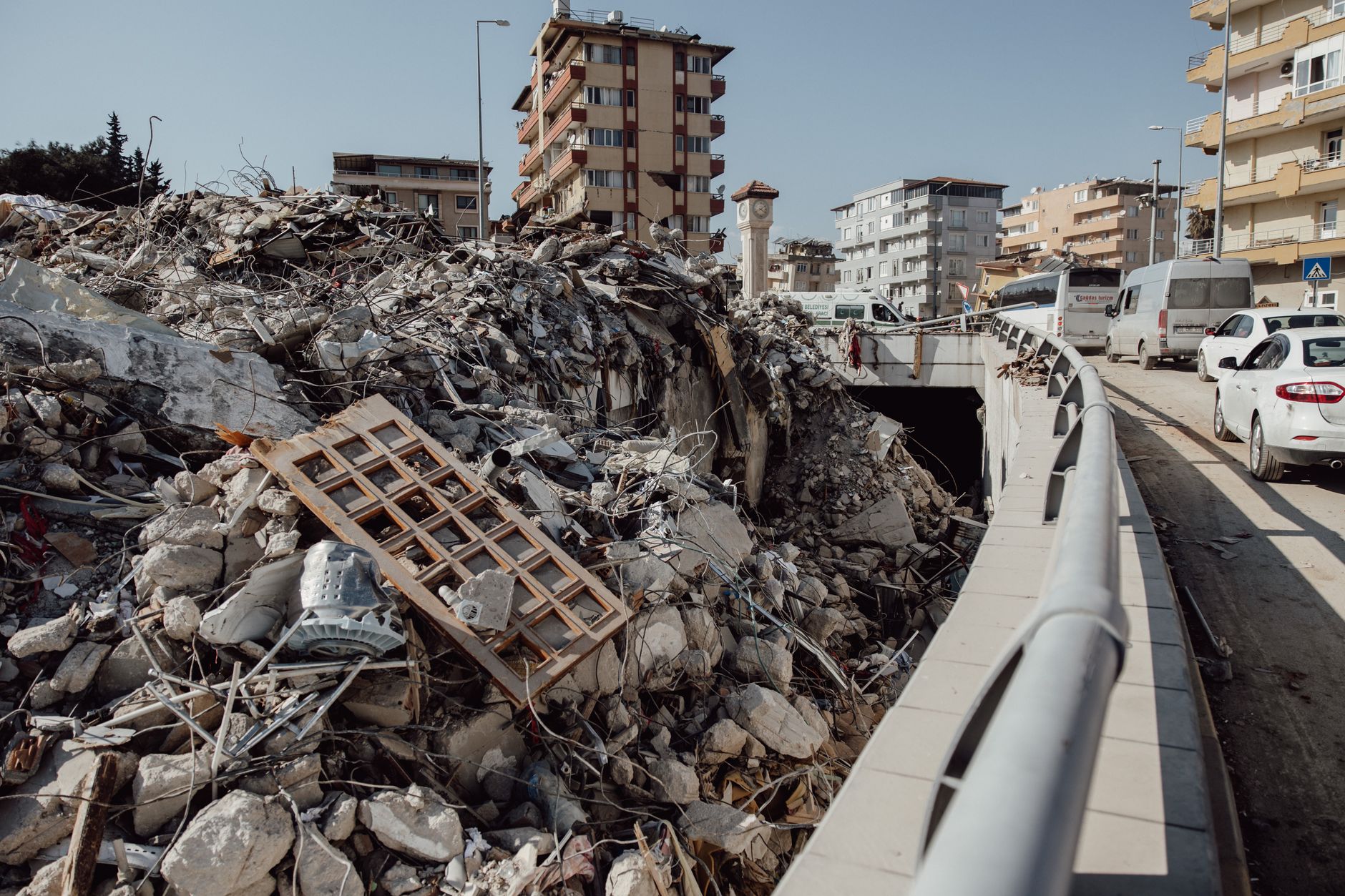
False Discovery: Construction Debris Mistaken for Ancient Wonder of Rhodes
 Greece
Greek Reporter
June 23, 2026 at 06:52
Greece
Greek Reporter
June 23, 2026 at 06:52
🌐 This article was automatically translated from the original in Greek.