 English
 Français
 Español
 हिन्दी
 中文
中文Honey, prized for its antibacterial and energizing properties, is increasingly targeted by fraudsters, ranking among the world’s most commonly falsified foods alongside olive oil and milk. Its popularity makes it a prime target for adulteration. Consumers can protect themselves by learning to identify fake honey through simple at-home tests. The article will detail these methods for verifying honey authenticity, helping buyers avoid purchasing substandard or fraudulent products. Detecting counterfeit honey is crucial to ensure consumers receive the health benefits associated with genuine honey. This issue highlights the growing problem of food fraud and the need for consumer awareness.
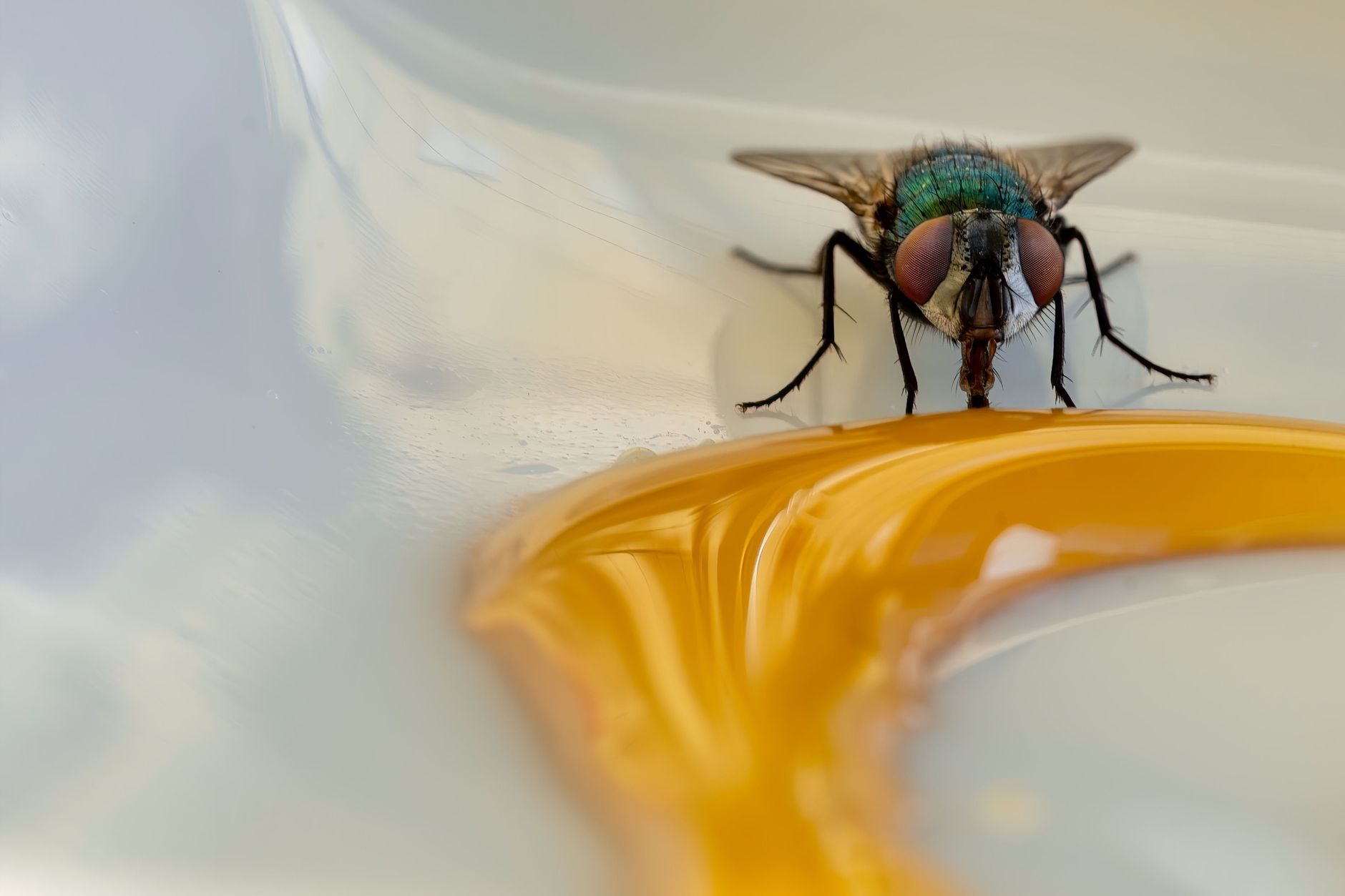
Counterfeit Honey on the Rise: Simple Tests to Spot Fakes at Home
 Romania
Libertatea
July 20, 2026 at 09:39
Romania
Libertatea
July 20, 2026 at 09:39
🌐 This article was automatically translated from Romanian.