 English
 Français
 Español
 हिन्दी
 中文
中文In Deutschland, approximately three to four people per day end their lives with medical assistance. This practice raises a critical question about evolving societal views on what constitutes a life worth living. The increasing acceptance and availability of assisted suicide are prompting discussions about the boundaries of individual autonomy and the value placed on life in the face of suffering. Experts are debating whether this trend signifies a broader shift in societal values, potentially redefining perspectives on quality of life and the acceptability of choosing death. This phenomenon challenges traditional understandings of the sanctity of life and the role of medical professionals in end-of-life decisions. The rise of assisted suicide in Deutschland demands a careful consideration of its ethical, social, and philosophical implications. It is sparking broader conversations about palliative care and support systems for those facing difficult circumstances.
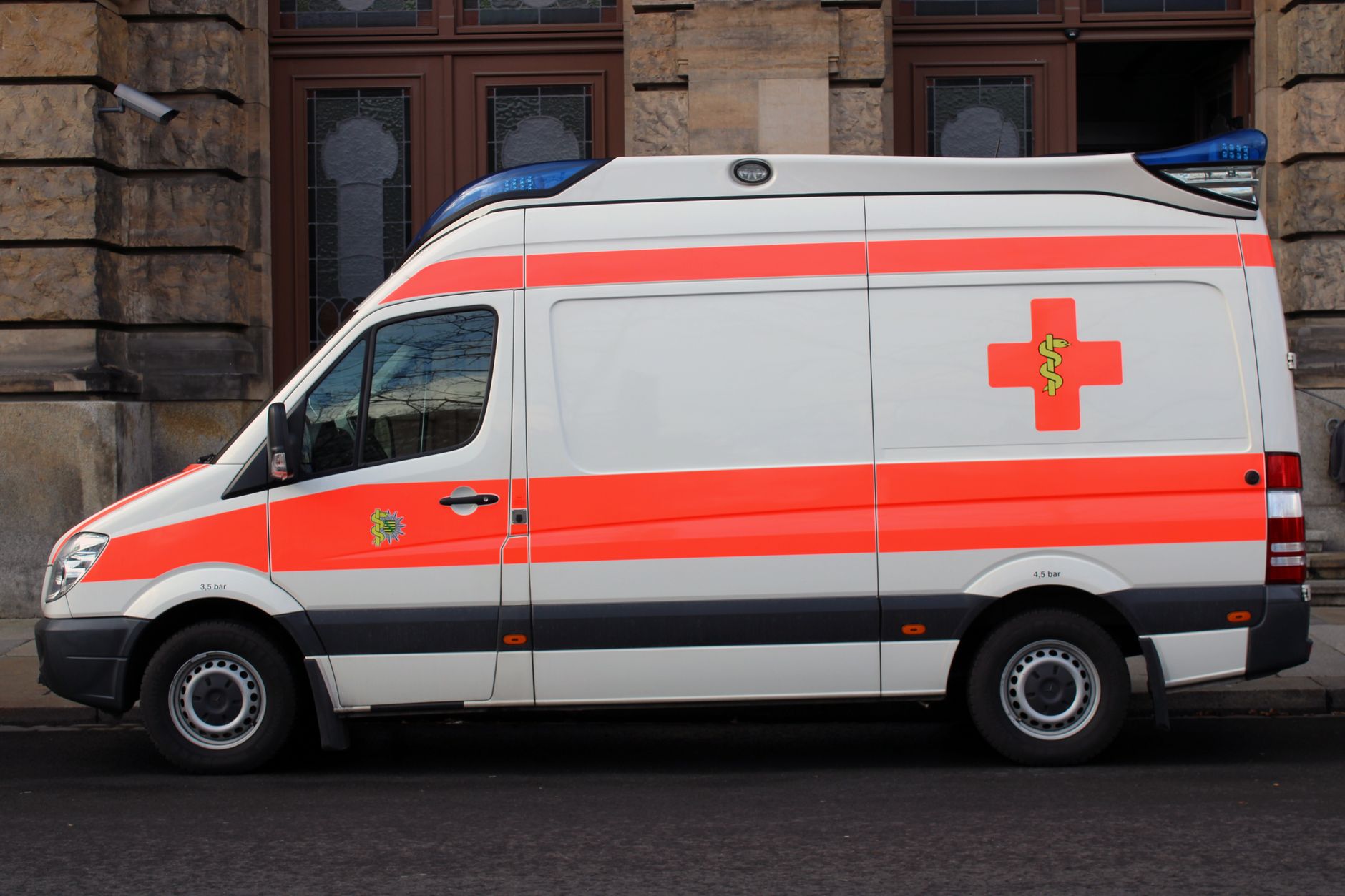
Assisted Suicide in Deutschland: Shifting Perceptions of Life's Worth?
 Germany
Der Spiegel
October 10, 2026 at 20:25
Germany
Der Spiegel
October 10, 2026 at 20:25
🌐 This article was automatically translated from German.