 English
 Español
 हिन्दी
 中文
中文Scientists are studying the phenomenon of “true polar wander,” where the Earth’s mantle and lithosphere shift, causing the planet’s surface to move relative to its axis of rotation. Measuring past instances of this wander is challenging, but a new method has been proposed by a research team. This movement could potentially place Antarctica at the equator in the future, a dramatic shift in the planet’s geography. The research focuses on understanding how the Earth's mass distribution influences its rotational axis. Accurately measuring past polar wander is critical for understanding the evolution of our planet and predicting future changes. This new methodology promises to offer more precise data about these historical shifts in Earth’s orientation.
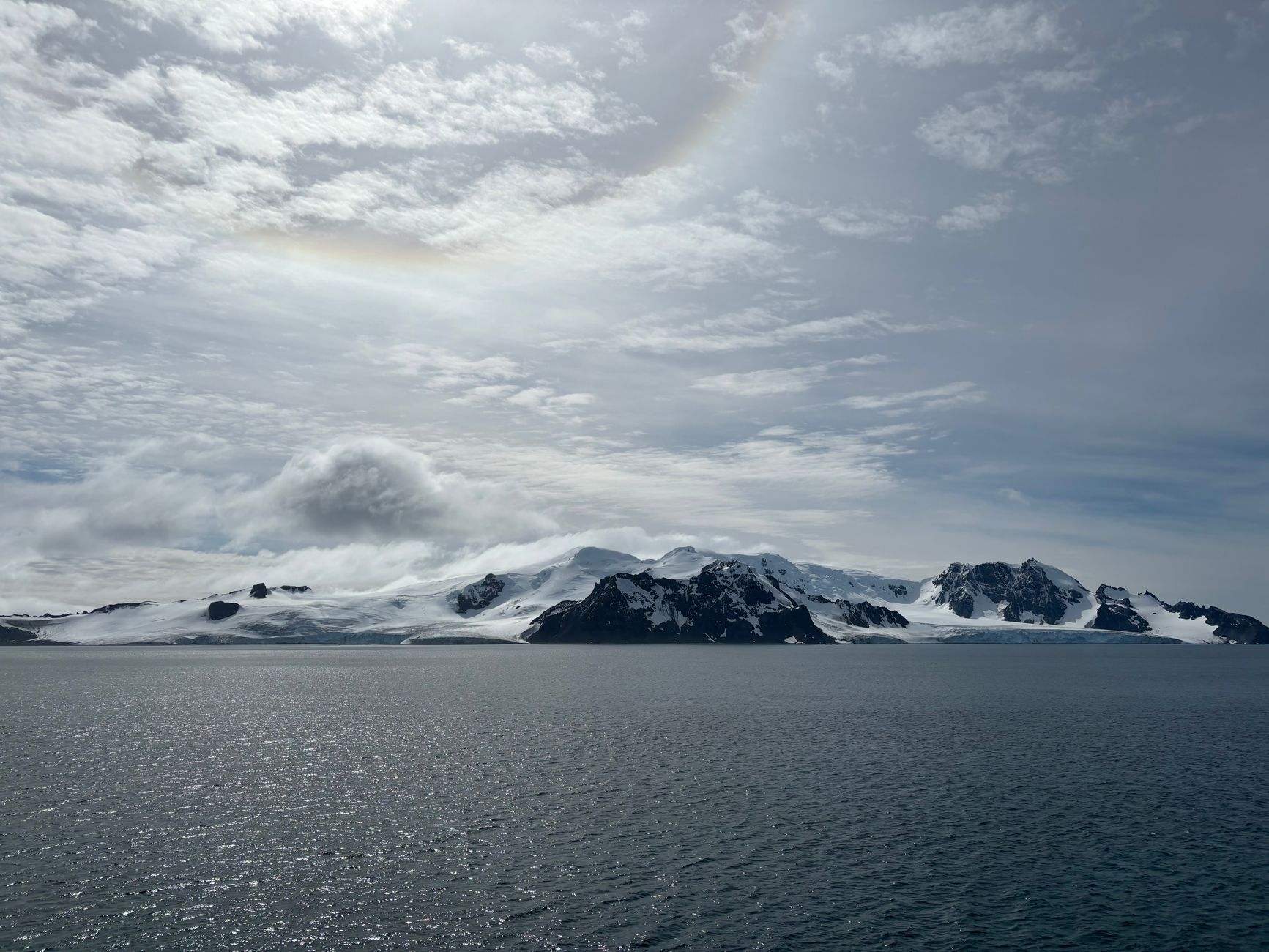
Antarctica at the Equator? Earth’s Surface Tilt and Polar Wander Explained
 France
Le Figaro
October 2, 2026 at 19:02
France
Le Figaro
October 2, 2026 at 19:02
🌐 This article was automatically translated from French.